
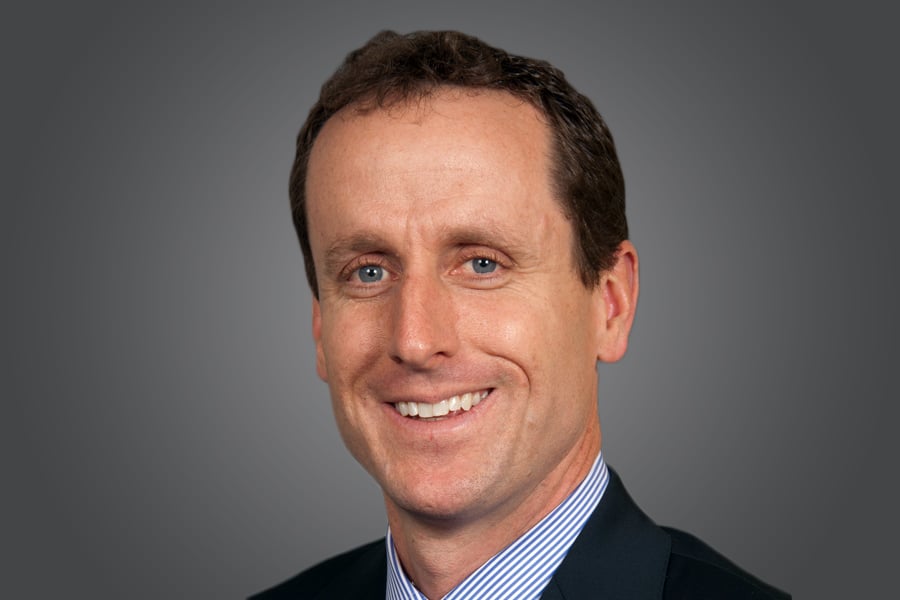
The parent company of giant Cetera Financial Group said Wednesday that Fidelity veteran Mike Durbin had joined the firm as CEO of Cetera Holdings.
Adam Antoniades will continue in his role as CEO of Cetera Financial Group and remain on the board of directors. Durbin will also have a seat on the Cetera board.
At Fidelity, Durbin had been president of Fidelity Institutional, the division of Fidelity Investments that works with financial advisors and institutions, providing custody and clearing, third-party product and asset management services. At the end of last year, Fidelity announced that Durbin was stepping down as president of that financial advisor-focused business to a role as a senior adviser.
While at Fidelity, Durbin oversaw the company’s 2015 acquisition of eMoney Advisor.
"We are extremely excited to welcome Mike to the team and look forward to working together to achieve long-term success for Cetera and our advisors,” Antoniades said in a statement.
Cetera Financial Group is a giant network of broker-dealers and RIAs with more than 8,000 financial advisors, $365 billion in assets under administration and $125 billion of assets under management, according to the company’s website.

A new platform turns disputed facts into tradable markets, flipping the prediction market model on its head.

The financial advice industry has been facing inquiries into its cash sweep programs for years now.

Investor money allegedly went to strip clubs, exotic cars, and landscaping

Procyon adds $415 million in assets under management in New Jersey while Savant picks up a $213 million Southern California planning firm

With a growing number of real estate-rich Baby Boomers aging into retirement, some advisors may be failing to consider all the options available for those clients' assets.
As AI makes financial information more accessible than ever, Lana Hock explains why human judgment, trust, and empathy remain the qualities clients value most in a financial advisor
Northern Trust’s Ken Lassner shows advisors how to convert volatility into after-tax portfolio gains

