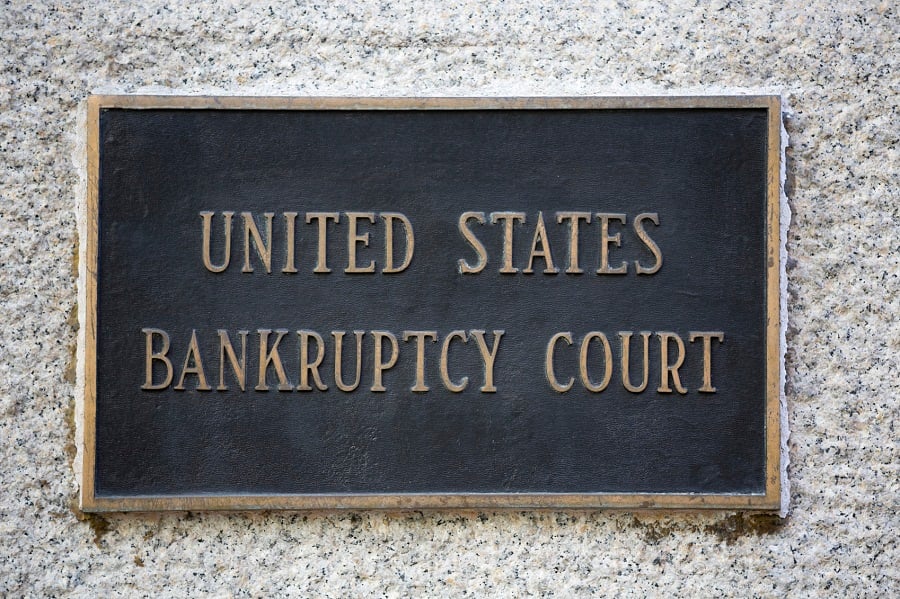

Federal judge approves RCAP bankruptcy plan

Federal judge approves RCAP bankruptcy plan
Decision paves way for its biggest asset, Cetera Financial Group, to emerge as a privately held company.
JUL 11, 2016
A federal judge has approved RCS Capital Corp.'s bankruptcy plan, paving the way for its Cetera Financial Group, its largest asset, to emerge as a privately held company. U.S. bankruptcy judge Mary Walrath in Wilmington, Del., issued the order Thursday, confirming the Chapter 11 bankruptcy plan. The main asset of RCS Capital, or RCAP, is the Cetera network of 10 broker-dealers that are home to 9,000 financial advisers. As the RCAP bankruptcy is drawing to a conclusion, Cetera is undergoing a broad restructuring and beginning to consolidate some of those firms into others. The new owners of the revamped company are its debt holders, which include such financial institutions as Fortress Investment Group, Carlyle Investment Management and Eaton Vance Management. Cetera's CEO Larry Roth last month said those institutions have indicated they will be in the business for the long haul. "We're excited by this final step toward the company's successful exit from the Chapter 11 process, and its emergence as a Cetera-only organization that is privately owned, independently managed, and well-positioned for long-term success in serving financial advisers and financial institutions,” David Orlofsky, chief restructuring officer of RCAP and senior managing director of Zolfo Cooper, said in a statement. “We expect formal emergence from the restructuring process to follow soon, at which time Cetera will have further public comment.” (Related read: Former AR Global REIT director cries foul over potential merger) RCAP filed for bankruptcy protection at the end of January. RCAP was bloated with hundreds of millions of dollars in debt after a broker-dealer buying binge by its former controlling shareholder, Nicholas Schorsch, who is no longer involved in running the company. The purpose of RCAP's Chapter 11 bankruptcy was to improve the company's balance sheet, reduce debt and dump certain non-brokerage assets.

Latest News

IRA assets swell to $19.2 trillion as 401(k) rollovers drive growth

IRAs now hold nearly twice the assets of 401(k) plans — and most of that money didn't arrive through annual contributions.

Women feel confident about saving, but many still keep cash in low-yield accounts

A new survey finds that many women prioritize financial security but continue to leave savings in accounts that may not keep pace with inflation.

SEC seeks comment on prediction-market ETFs after May pause

Roundhill, Bitwise and GraniteShares funds remain on hold while the agency weighs how novel ETFs should be regulated.

Dump investment banks, buy alternative asset managers, says Oppenheimer

"Shares of alternative assets managers have lagged this year as investors grow wary of private-credit exposure."

TaxStatus rolls out rules-based tool to flag advice gaps

The fintech platform is touting a new AI-free Planning Observations feature, which draws on IRS tax records to uncover opportunities for advisors.

SPONSORED Who builds the income when the pension disappears?

Dan Biagini of American Equity says the steady decline of pensions, longer lifespans and a reset in interest rates are rewriting how advisors build retirement income

SPONSORED Why direct indexing stopped being optional

Direct indexing is on pace to outgrow ETFs and mutual funds. Northern Trust's Ken Lassner explains why the advisors who get it wish they had started sooner.