
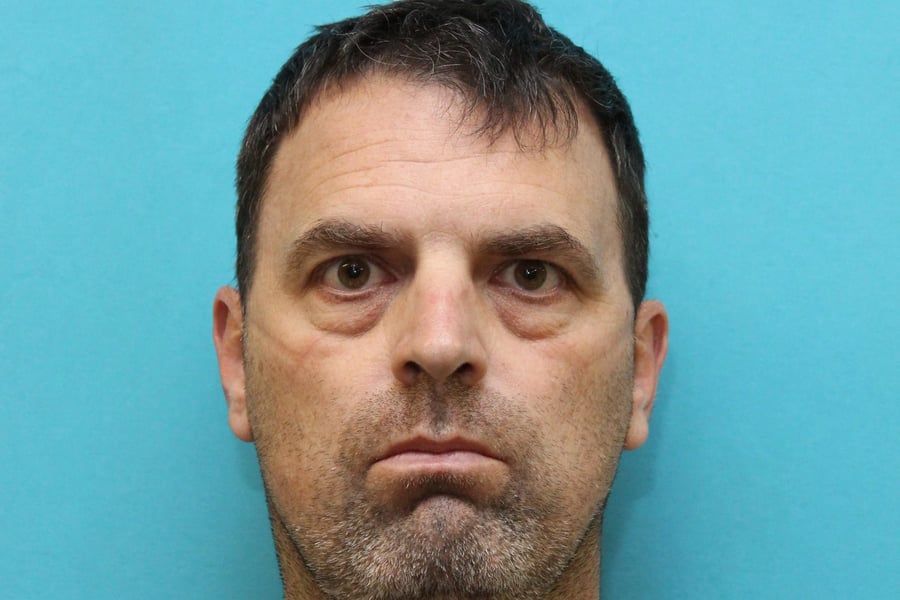
Police in North Texas yesterday charged a financial adviser facing a Ponzi-scheme investigation with murdering a client in February and staging the death to look like a suicide to gain control of the client's finances.
The adviser, Keith T. Ashley, 48, was arrested last Friday on related wire fraud charges that stem from an FBI investigation, according to a statement by the Carrollton Police Department. Carrollton is a suburb north of Dallas.
The victim, James "Jim" Seegan, 62, was found dead of a gunshot wound to the head by his wife when she returned to their home on the evening of Feb. 19, according to the statement. Next to Seegan was a typed note indicating he had committed suicide, the police said.
Over the course of a nine-month investigation, detectives found evidence that Ashley actually incapacitated, then murdered Seegan in an attempt to gain control of his finances, according to investigators.
"Ashley was a friend and financial adviser of Seegan’s who would visit the Seegan home periodically," according to a statement by the police. "During the course of the investigation, detectives also identified several other victims of a Ponzi-type scheme Ashley orchestrated."
An attorney for Ashley in the FBI matter, Dan Lamar Cogdell, did not return a call Thursday to comment.
Ashley raised $1.3 million from clients, according to the FBI, allegedly taking the lion's share to pay for expenses at a brewery he operated, spending at casinos, payments on personal credit cards, legal fees, cash withdrawals, mortgage payments, college tuition and student loan payments, and utilities.
According to the FBI's charges, Ashley was the principal of a firm called North Texas Money Management and was a registered rep with Parkland Securities, formerly known as Sammons Securities. Ashley allegedly defrauded investors from the end of 2013 through this May, according to the federal indictment, and raised money from investors that wound up in separate bank accounts rather than clients' brokerage accounts.
He allegedly "made false statements, representations, and promises to potential investors, including that the investments would result in guaranteed returns totaling between 3%, 6% to 7% and 8% to 9% per year on their funds, there was no risk to the individual's initial principal investment, and the funds would be invested through" legitimate firms like Parkland in a unit investment trust, according to the federal indictment.
A call to Parkland Securities was not returned. The firm "discharged" Ashley last month after discovering unnamed "outside business activities," according to Ashley's BrokerCheck report.

Meanwhile, DPL Financial Partners adds two annuity executives and Prime Capital Financial hires a Mid-Atlantic retirement plan consultant

Andrew Komarow pleaded guilty Thursday in federal court in Hartford to defrauding three financial services companies of close to $3.3 million.

Elsewhere, Cetera picks up a $210 million Connecticut team from MML, while Wells Fargo FiNet adds a San Diego family practice from LPL

Celebrity endorsements, $500M in claimed assets, and a state regulator stepping in.

“We needed to become a more agile and efficient organization,” said American Express CEO Stephen Squeri.
Knighthead Life entered the market with a competitive MYGA. A strong launch earned advisor confidence and paved the way for FIAs.
As AI makes financial information more accessible than ever, Lana Hock explains why human judgment, trust, and empathy remain the qualities clients value most in a financial advisor

