LPL Financial, at last, is near the finish line with fines and settlements stemming from securities regulators' actions.
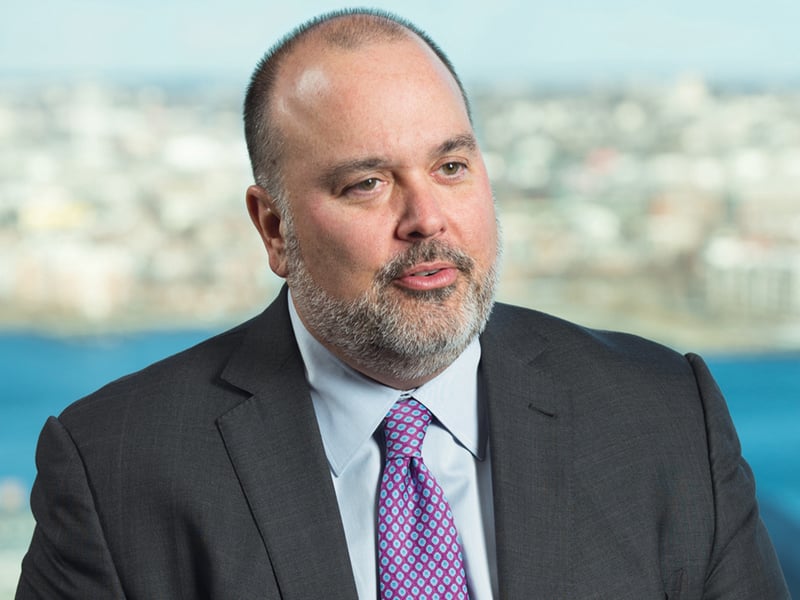
“We are pretty close to being done with our regulatory build-out and regulatory work that relates to settlements,” said Mark Casady, LPL's CEO, in an interview on Monday in Boston at the firm's annual meeting for its advisers, called Focus. “We've characterized that as almost done. There are a couple of things left to go,” in terms of major settlements, he added.
“We are close to resolving significant enforcement actions,” he said earlier Monday to an audience of almost 4,000 LPL advisers. “Advisers have told me, I'm tired of LPL being in the paper. My answer is, 'Me too.'”
Last October, during a conference call with analysts and investors, Mr. Casady
said the firm was 60% of the way through the process of ironing out compliance issues with regulators. Throughout the process, Mr. Casady has stressed that LPL uncovered problems and reported them to regulators.
LPL has been in the spotlight over the past few years due to its host of problems with the
Financial Industry Regulatory Authority Inc. as well as state regulators. Two products that have caused LPL to pay fines or restitution to clients have been nontraded real estate investment trusts, a popular alternative investment, and variable annuities.
For example, Finra in May
ordered LPL to pay $11.7 million in fines and restitution for what it deemed “widespread supervisory failures” related to sales of complex products, according to a settlement. From 2007 to as recently as April, LPL failed to properly supervise sales of certain investments, including certain exchange-traded funds, variable annuities and nontraded REITs, and also failed to properly deliver more than 14 million trade confirmations to customers, according to Finra.
And this month, Finra
ordered LPL to pay $6.3 million in restitution to clients after it failed to waive sales loads for certain mutual fund shares sold between July 2009 and the end of 2014.
In the wake of the intense scrutiny of regulators, Mr. Casady said that the firm has doubled its compliance and risk management staff.