Now that activist
hedge fund investor Marcato Capital Management has taken a 6.3% equity stake in
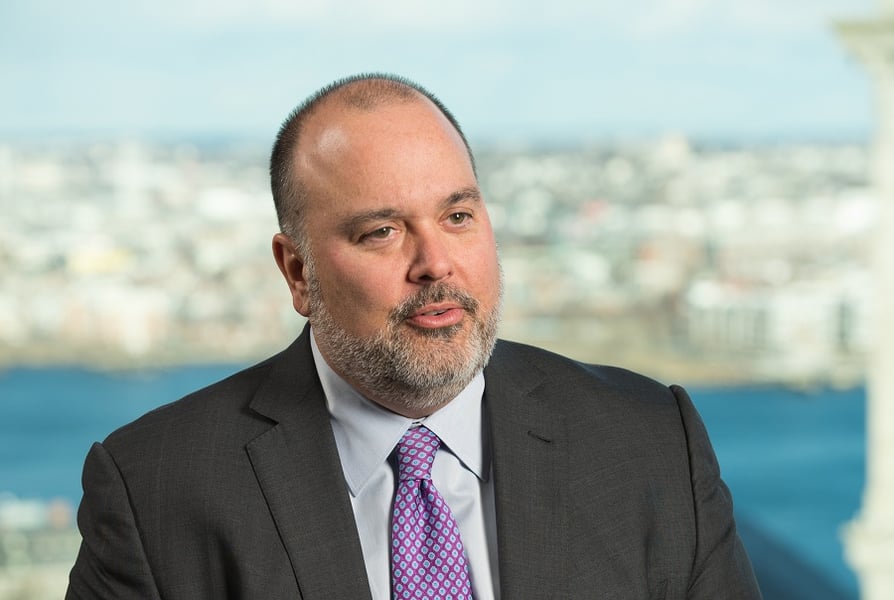
LPL Financial Holdings Inc., chairman and chief executive Mark Casady is facing a challenge few executives would relish. Marcato could push for seats on LPL's nine-person board or try to show senior management the door if LPL's results fail to improve.
LPL is the holding company that owns the nation's largest independent broker-dealer, which has more than 14,000 affiliated registered representatives and investment advisers. After LPL shares hit a high of more than $55 in March 2014, the company has struggled. Its stock price last Thursday was $39, down 29% from its high.
It's been a tough slog for Mr. Casady of late. He has repeatedly needed to explain the company's miscues and mistakes in compliance and processing client orders for high-commission products such as nontraded real estate investment trusts and variable annuities. Those shortcomings have resulted in corporate embarrassment and the pain to shareholders of tens of millions of dollars in fines and restitution payments over the past few years. That's money that could have fattened LPL's bottom line if the firm's processes and procedures were shipshape.
What kind of scrum could Mr. Casady be in for?
HOW IT PLAYS OUT
According to industry executives and observers, there are two ways Marcato's new ownership position could play out for Mr. Casady, who joined the company in 2003 from the asset management industry. With the reputation of a sound manager, he has shepherded LPL from a privately held business to a publicly traded financial services mainstay with a market capitalization of close to $4 billion.
Marcato and its founder Richard McGuire could signal to LPL that it is a friendly investor by indicating to the market that it has confidence in Mr. Casady's leadership. Or, the hedge fund, which has also taken stakes recently in The Bank of New York Mellon Corp. and the troubled
REIT American Realty Capital Properties Inc., now Vereit Inc., may show it will be an unfriendly investor and demand seats on the board, setting up a scenario in which Mr. Casady and other board members could be voted out.
An LPL spokesman, Brett Weinberg, declined to comment when asked about Marcato's investment in the company and whether it indicated a potential shakeup in the company's management or board.
MARCATO'S GOALS
Marcato wants LPL's stock to perform better. LPL “shares are undervalued and are an attractive investment,” Marcato said a filing last month with the Securities and Exchange Commission. Discussions with management “may review options for enhancing shareholder value through various strategic alternatives or operational or management initiatives including, but not limited to, improving capital structure and/or capital allocation, M&A, asset allocation, and general corporate strategies,” according to the filing.
Any time an activist investor gets involved with a company, there's no easy way to tell what will happen, said Charles Elson, professor of finance and holder of the Edgar S. Woolard Jr. chair in corporate governance at the University of Delaware.
“What they want, ultimately, is a higher stock price,” he said. “How they would get there is usually a managerial change or change in the direction of management.”
Activist investors have three options, he said. First they can meet with management and suggest changes. Next, they can meet with the board and discuss changes in the company's direction. Finally, they can make shareholder resolutions and nominate their own directors to the board.
MINIMAL CHANGES
Mr. Casady and his board may be in luck. In the past, an investment by Marcato has not resulted in revolutionary changes in those companies. For example, Marcato earlier this year called on The Bank of New York Mellon Corp. chairman and CEO Gerald Hassell to resign, but he is still in charge. And weakness in corporate governance does not appear to be dogging the company and hurting its share price. Institutional Shareholder Services Inc., the corporate governance giant, this year gave LPL its highest rating in three of the four areas it rates companies: board structure, compensation, and audit and risk oversight. In the final category, shareholder rights, ISS gave LPL its second-highest rating.
Then again, Mr. McGuire is a protégé of William Ackman, a well-known activist investor who is not afraid to mix it up with corporate boards.
Will LPL shares continue to struggle, and to what degree will Mr. Casady and the company's board listen to Marcato and its other investors as the company attempts to improve results?
LPL “has a lot ahead of them, including the potential for changes in management direction and changes in the board,” Mr. Elson said. “This is certainly not good news for management, no.”