
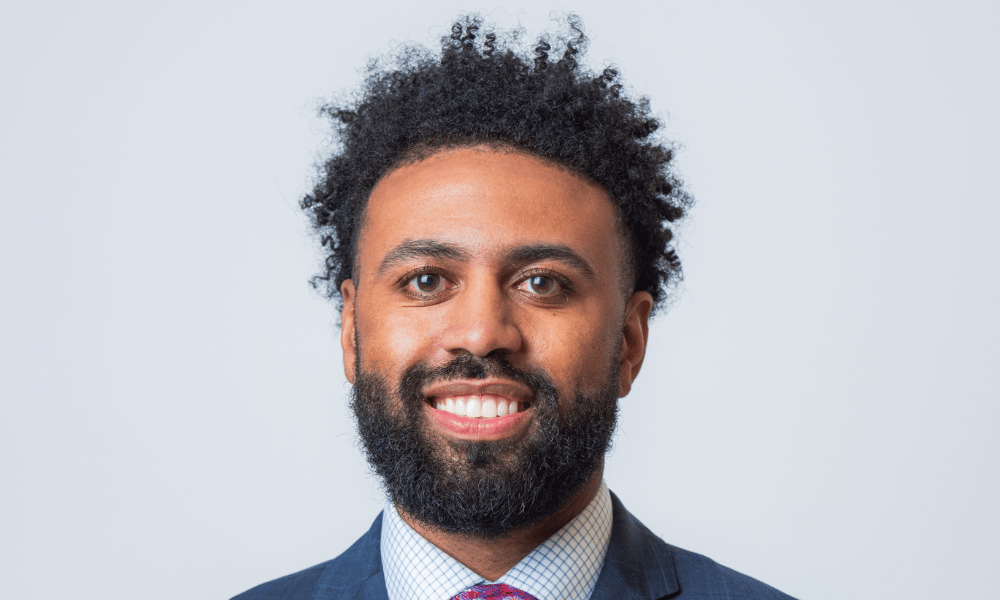
Oppenheimer & Co. has hired Joel Berry II, a former University of North Carolina men's basketball captain and NCAA national champion, as a financial advisor in its Winston-Salem, North Carolina office.
Berry joins the Robinson Private Client Group, a team that advises high-net-worth individuals, elite athletes, institutions and corporations, and managed more than $6 billion in client assets as of June 30, 2026.
His arrival is part of a broader push by the group to deepen its work with current and former athletes at a time when the college sports landscape is being reshaped by Name, Image and Likeness deals and revenue-sharing arrangements.
"Joel brings real-world experience advising individuals, families and business owners, along with firsthand insight into the financial lives of athletes," said Tanner G. Robinson, AIF, CFP, managing director and financial advisor who leads the team. "He understands how to build lasting relationships, ask the right questions and help clients make thoughtful decisions as their circumstances change."
Berry comes to Oppenheimer from Truist Financial and arrives with a background that is unusual even in the increasingly crowded field of financial advisors specializing in athlete clients.
He was a four-year starter at UNC, helped lead the Tar Heels to the 2017 NCAA national championship, and was named Final Four Most Outstanding Player. He later played professional basketball and currently serves as a commentator for the ACC Network.
During his time in wealth management, Berry has worked with professional players as well as high school and collegiate student-athletes navigating the financial complexities of the NIL era, a landscape that has expanded rapidly since the NCAA first permitted athletes to profit from their name, image and likeness in 2021.
"My own career showed me how quickly life can change and how valuable it is to have trusted advice along the way," Berry said. "I bring that perspective to every client relationship, whether I am working with a family, a business owner or an athlete. Oppenheimer and the Robinson Private Client Group give me the resources and expertise to help people plan with confidence and make sound decisions about their future."
The move reflects a broader trend in the wealth management industry, where advisors with direct athletic experience are increasingly being recruited to serve a client base that financial planners once struggled to reach.
Young athletes face distinct financial challenges in the NIL era including managing sudden income, navigating tax obligations and planning for careers that can be shortened by injury.
Advisor development
Ed Harrington, executive vice president and head of Oppenheimer's Private Client Division, framed Berry's hire as consistent with the firm's approach to advisor development.
"He has a clear vision for how he wants to serve clients and build his practice, and our job is to help him bring that vision to life," Harrington said. "That means giving him the platform and resources needed to succeed."
The Robinson Private Client Group combines investment management with financial planning and a high-touch service model. The team is based in Winston-Salem and works with a broad client mix that includes individuals, families, institutions and corporations alongside its growing athlete practice.

New research exposes a wide gap in how affluent parents and their adult children understand and prepare for the transfer of family wealth.

A new AIC report finds a 13.2% median annualized return over 10 years, outpacing public equities, real estate, and fixed income.

Most Americans entering retirement lack a realistic picture of what health care will actually cost them and advisors may be their last line of defense.

New H&W data reveals $102.4 trillion in household investable assets, with taxable accounts outpacing retirement savings growth.

Betterment’s Devon Klumb built and sold an RIA - now he’s telling advisors what he wished he’d known sooner.
Knighthead Life entered the market with a competitive MYGA. A strong launch earned advisor confidence and paved the way for FIAs.
As AI makes financial information more accessible than ever, Lana Hock explains why human judgment, trust, and empathy remain the qualities clients value most in a financial advisor

