
March Madness is just around the corner which means millions of Americans will be glued to their screens, watching college basketball players practice their trade.
And, yes, it is a trade nowadays, and a lucrative one at that, with various sources estimating college athletes will earn more than $2.3 billion this school year through NIL deals and school revenue sharing. That said, a recent Merrill Lynch study showed only 8% of high-potential athletes in their late teens and early 20s currently work with financial advisors.
As a result, some advisors see the growth in NIL dollars as a market opportunity, and, yes once again, a lucrative one at that.
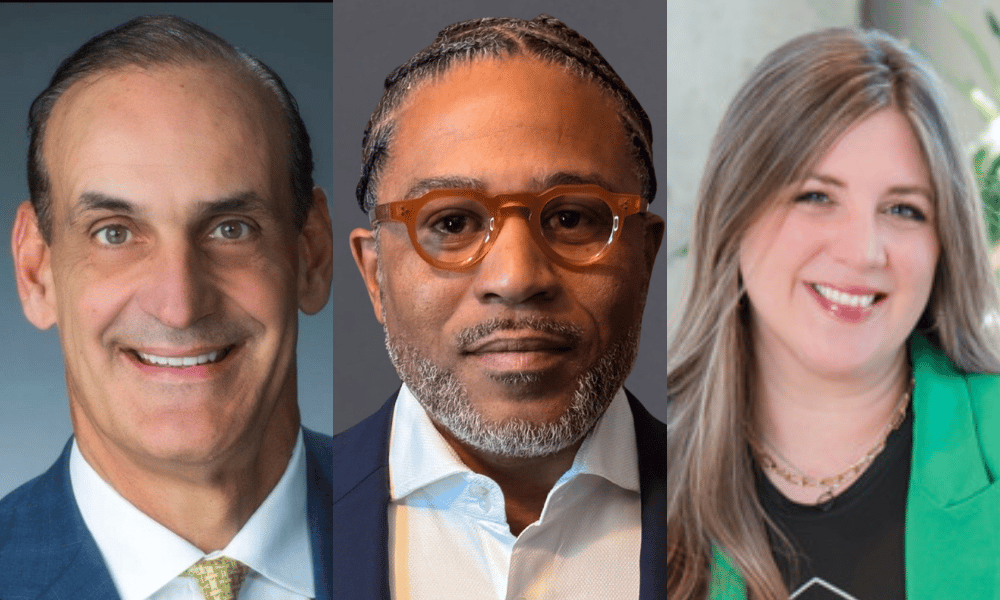
Jessica McDonald, founding advisor at Southern Wealth Builders, says many of her peers view young people, and especially college athletes, as ‘high-churn, low-quality’ clients. Personally, however, she sees in them the opportunity to create meaningful relationships that can last for decades.
“I can confidently say that this niche is not for everyone. It is not for the advisor that is not willing to educate their clients, with empathy as their leading driving force. Young people deserve a solid financial education that likely has not been given to them yet. I love that I get the opportunity to help them as they grow, so that they aren’t making big mistakes with big amounts of money,” McDonald said.
Kevin Thompson, founder and CEO of 9i Capital Group, points out that the majority of the high earning athletes likely have a team already in place, especially through their agent.
“The 8% represent represents those that are making real money, not the 92% that are just making enough to cover odds and ends. There is a misnomer that a majority of athletes are making large payouts which is not the case,” Thompson said.
For those athletes that are making life-changing money, Thompson says this is an opportunity to set them up on a path of true success. Being able to create entities for their NIL payments and properly use the correct tax status to minimize maximum tax exposure, while allowing them to create accounts for max deferral can be crucial,
“These athletes are effectively mini businesses and should treat themselves as such,” Thompson said.
Elsewhere, Wesley Pritchett, financial advisor at Janney Montgomery Scott, believes that NIL is here to stay and the earning potential is real, but it is “evolving quickly.” The structure of payments, transfer rules, eligibility requirements, and compensation models are changing almost every year. That creates both opportunity and complexity in Pritchett’s view.
“I view NIL as a durable client opportunity, but only for advisors who take the time to truly understand how these deals are structured, how athletes are paid, and the risks involved. There’s significant money flowing into the space, but there’s also uncertainty. Advisors who approach it thoughtfully and with the right guardrails can add real value,” Pritchett said.
First and foremost, Pritchett says advisors need to educate yourself on the entire system. That starts with knowing how the athlete is being paid — how often, from which entity, and how it’s taxed. From there, it’s about tax planning, disciplined cash flow management, and building a long-term wealth strategy. And from there, Pritchett says it’s about building a disciplined wealth management plan.
“In many cases, that includes setting aside funds for taxes, establishing a diversified investment approach, and, where appropriate, using tools like Roth IRAs to take advantage of compounding early. The goal is to turn short-term earnings into long-term stability,” Pritchett said.
BUILDING TRUST IS THE KEY
It’s no slam dunk to build trust when parents, agents, coaches, and other influencers often control financial decisions. That’s why McDonald continues to network and show up in a volunteer role to build trust and establish that she is committed to long-term success, not just a trendy niche client.
“I know that if I provide a financial literacy seminar, not everyone will need an advisor afterwards. But I know that I provided a great foundation and key items that can last for years to come. I am confident that being generous with education will plant seeds that will produce fruit in the right season,” McDonald said.
Thompson agrees that putting in time is paramount.
“There is no replacement for the daily, weekly interaction to help these kids understand you are there not only for them today, but also for the future. Let them know that a decision is not always ‘of the essence,’ but can be made once fully understood. Education is key, which should come prior to any plan implementation,” Thompson said.
Similarly, Pritchett points to “trust” as the biggest hurdle because in major college sports, athletes and families are surrounded by agents, coaches, and advisors offering opinions.
“There’s often skepticism toward financial advisors and a lot of distractions for the parents and the players. Trust is built over time through preparation, discipline, and consistency. You have to show up with a plan, execute it, monitor it, and adjust as needed. In this space, credibility comes from actions over time, not promises,” Pritchett said.

The proposed changes around retail communications and certain representations of projected performance or targeted returns have tangible implications for B-D firms' compliance policies and procedures.

The independent wealth firm's latest move in Massachusetts a dedicated non-advisory platform for ultra-wealthy families as RIA family office spinoffs keep multiplying.

Savant Wealth Management's tax subsidiary is taking a new name and two new partners as the RIA continues layering accounting services onto its wealth platform.

“Investment from Envestnet will accelerate roadmaps at Vestmark,” said Freedom Dumlao of Vestmark.

Broker-dealers and RIAs can now offer clients crypto and tokenized securities through a single integrated platform.
Northern Trust’s Ken Lassner shows advisors how to convert volatility into after-tax portfolio gains
Dan Biagini of American Equity says the steady decline of pensions, longer lifespans and a reset in interest rates are rewriting how advisors build retirement income

