
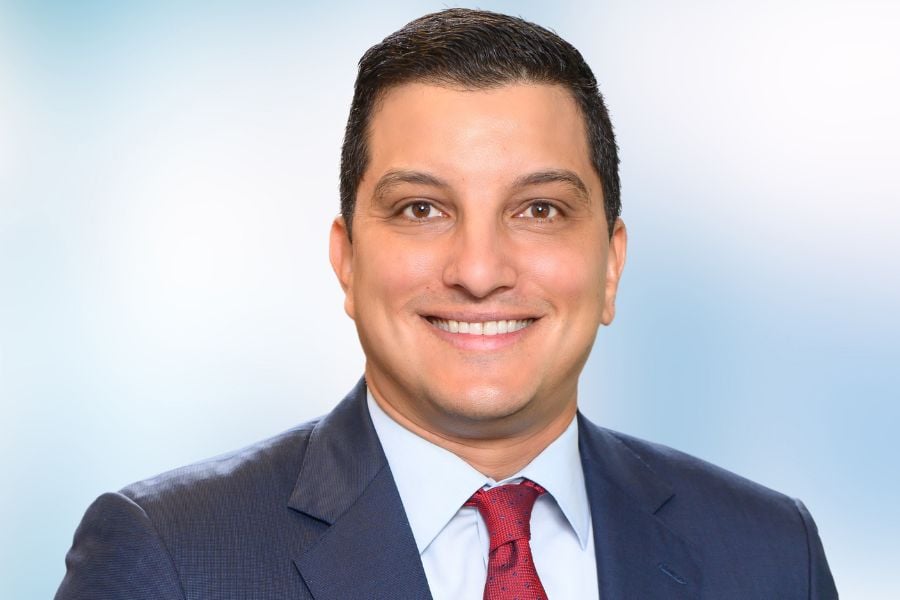
Paul Reilly, who replaced Tom James as CEO of Raymond James Financial Inc. in 2009, is stepping down sometime next year and will be replaced by the firm's current chief financial officer, Paul Shoukry. Shoukry, a 14-year veteran of the firm, will become president of the firm effective immediately.
According to the company, once the succession process is complete, Shoukry will be only the fourth chief executive in the company’s history, and current chair and CEO Reilly will remain on the board as executive chair. Shoukry will retain his current responsibilities until he transitions to the CEO role.
Under Reilly, Raymond James has grown to work with 8,710 financial advisors in various business lines and seen its stock price increase almost 10-fold, closing at $122.19 per share on Tuesday, a new 52-week high.
As part of the firm’s succession plan, Raymond James is announcing other key leadership changes and appointments.
Jeff Dowdle, the chief operating officer, has announced that he will be retiring and stepping down from the COO role at the end of the fiscal year this October.
As part of this change, Raymond James Financial private client group President Scott Curtis will become COO of Raymond James Financial, current Raymond James & Associates CEO Tash Elwyn will become president of the private client group, and global equities and investment banking president Jim Bunn will become president of the capital markets segment.
These changes will also be effective this October, at which time Dowdle will be named vice chair and serve in an advisory role to facilitate a smooth transition.

A Nationwide survey finds 47% of GLP-1 users have never discussed the drugs’ financial impact with an advisor, even as many dip into savings.

The hundreds of millions of dollars from a sale of Inspired Healthcare properties does not mean an immediate windfall for investors.

Its SEC filings said one thing - a congressional probe said another.

Sham agreements allegedly padded revenue by 345%.

"Most pre-retirees are uncomfortable making key retirement income decisions without an advisor's help," said Chris Bailey of Cerulli.
Knighthead Life entered the market with a competitive MYGA. A strong launch earned advisor confidence and paved the way for FIAs.
As AI makes financial information more accessible than ever, Lana Hock explains why human judgment, trust, and empathy remain the qualities clients value most in a financial advisor

