
Dolly Parton spent years building a trust structure for her estate. Less than a month after her death in late August, that estate was in court.
According to multiple reports, She's Alive LLC, the company created under Parton's estate plan to manage her business interests, filed suit against her nephew Bryan Seaver on September 22. The lawsuit accuses Seaver, her longtime head of security, of threatening employees and business partners in an apparent attempt to obtain significant sums of money.
A Nashville judge granted a temporary restraining order the next day, though Seaver has denied making threats and has called the order a publicity stunt built on comments taken out of context.
The latest turn in the case arrived on Tuesday, when Davidson County Chancellor I'Ashea Myles agreed to delay a hearing on a longer-term injunction to Oct. 20 so Seaver – who'd reportedly barricaded his property with barbed wire and yellow caution tape to avoid a legal summons – could retain a lawyer.
For advisors serving business owners and wealthy families, the case is a high-profile pressure test showing how an estate plan holds up once a family member turns adversary. And according to one legal expert, Parton's plan is holding up.
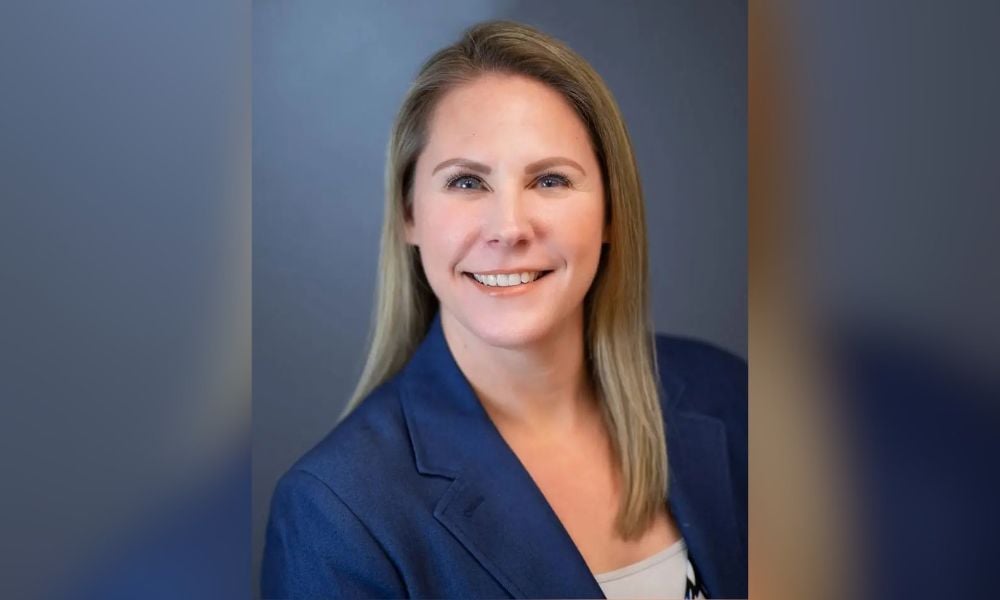
"Ms. Parton's estate plan appears to be functioning the way that it was intended ... It appears that the trustee saw a threat to the company and took steps to protect it," said Kathleen Pence, an estate planning attorney and founder of Pence Law Firm in Tulsa, Oklahoma, in a recent interview with InvestmentNews.
"The goal in estate planning isn't necessarily to guarantee that conflict never happens. But it's to make sure that there's a clear framework in place when it does."
She's Alive removed Seaver from his security role on Sept. 15, according to a widely reported letter from the company's lawyers, which also indicated the termination had no bearing on his separate interest as a trust beneficiary.
"Mr. Seaver could still be terminated as an employee and be considered an heir or beneficiary of the estate, unless the will or the trust has a specific provision that says otherwise," Pence said.
According to Pence, it's not an uncommon situation for family-held businesses to have someone standing as both an employee and a beneficiary to an estate. Under that scenario, she says clients face a choice when drafting contingencies to avoid estate planning gaps.
"They have the option to keep distribution separate from their family member's status as an employee. Or they could remove distribution in the instance of intentional harm to the company," Pence said.
Reports indicate that Parton's plan splits responsibility between the trust encompassing her business and professional interests and She's Alive, which is solely managed by Danny Nozell, Parton's longtime partner. That arrangement has raised questions about which entity has standing to bring forward legal cases.
As a matter of professional practice, Pence said documents and estate plans should be drafted to clearly govern how roles are split.
"It should specifically state what each role is for the trust and for the operating company. And then their governing documents should divide the responsibilities clearly between the two of them," she said.
The Parton dispute has also tested the estate's bench. Illustrating the kind of acrimony that seems par for course for celebrity fortunes, the lawsuit filed by She's Alive said Seaver's messages prompted Parton's trusts-and-estates attorney to leave and some employees to resign.
"As estate planning attorneys, we're always drafting for the worst-case scenario," Pence said. "And in order to plan for a key advisor or fiduciary stepping down, it's always best to have a successor named in your document that can step in and take over as soon as possible."
That successor can be a trusted family member, a professional such as a financial advisor or attorney, or a corporate trustee such as a trust company, she said, adding that co-trustee arrangements can help bridge the gap. Among other common-sense recommendations, Pence encourages keeping key documents in one central location so an incoming trustee can get up to speed quickly, as well as reviewing the plan every year.
Asked what conversation advisors should have with clients in light of the case, Pence pointed to a single question.
"I think the most important question to ask a client is, if something happens to you today – today, not in 10 years, right? Today – what would you want to happen with your estate, and who do you trust to carry out your wishes?" she said.

Launch of Direct AI follows a model portfolio tie-up with Envestnet as advisors juggle AI adoption and private-market due diligence.

Meanwhile, Cetera's streak of Commonwealth recruitment continues in Washington, and an LPL advisor hops over to Raymond James in Maine.

The Sussex County wealth firm, built around business-owner clients, extends the California-based aggregator's footprint in the East Coast.

The Kestra-owned RIA acquirer merges the planning firm into KDI Wealth Management, creating a majority woman-led advisor team

Eight in 10 pre-retirees say the US retirement system wasn't built for them and most still haven't planned how to make their money last.
Knighthead Life entered the market with a competitive MYGA. A strong launch earned advisor confidence and paved the way for FIAs.
As AI makes financial information more accessible than ever, Lana Hock explains why human judgment, trust, and empathy remain the qualities clients value most in a financial advisor

