
A six-figure salary no longer guarantees financial security. Financial advisors say some of the highest-earning households they see are struggling to stay ahead of their own bills.
Thirty-six percent of workers earning more than $300,000 a year say they live paycheck to paycheck according to the the 2026 Goldman Sachs Asset Management Retirement Survey & Insights Report. The figure is far above the 23% reported by workers earning $100,000 to $300,000. Three in four top earners, or 76%, said they had put off a major financial goal.
The survey of 5,106 Americans, conducted in July 2026, also points to a broader pullback in saving. The share of respondents who increased their retirement savings fell to 39%. The share who reduced savings rose to 14%, up from 8% a year earlier.
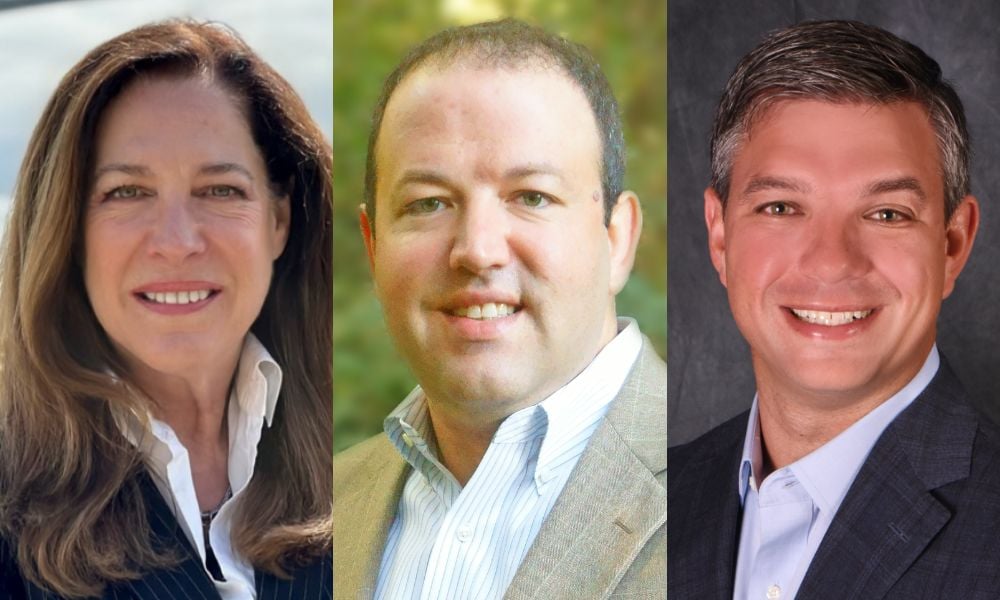
Brian Baker, a chartered financial consultant at The Baker Financial Group, an affiliate of Strategic Financial Alliance Partners, said a bigger income often brings bigger commitments, from housing to lifestyle costs, that rise just as quickly. Simply spending less, in his view, rarely solves the problem.
"We need to understand where their money is going and make sure their income is being used intentionally. We start by looking at cash flow, taxes, debt, benefits, and existing savings to identify where we can create efficiency. For high earners, tax planning can be especially important. Maximizing available employer benefits, using tax-advantaged accounts appropriately, evaluating Roth versus pre-tax savings, and being thoughtful about where investments are held can all help them keep more of what they earn. Once we understand cashflow needs and establish adequate reserves, there is often more capacity to invest than the initially believed," Baker said.
Josh Strange, president and founder of Good Life Nova, frames it more bluntly: "When you're in a boat that is sinking, you need to find the hole before you start bailing." He sorts client spending with a framework his firm calls ELF, which splits expenses into essential, lifestyle and fun. Essentials can't be cut quickly, he said, but lifestyle and fun spending usually leave room.
"First, you need to identify where the money goes. I can't tell you how I would build their portfolio because I don't know what they currently have. Often, when people are financially stressed and make a high income, they've been overspending, including on high-interest credit cards. Before we do anything, I'd get a handle on their liabilities. Then, I'd make sure they're maximizing workplace benefits and have built a short-term bucket of reserves. Only after these are taken care of would I start thinking about the long-term investment portfolio," Strange said.
Baker builds portfolios around a client's full financial picture rather than income or age alone. Money needed in the next few years is kept apart from retirement assets meant to last decades. That separation, he said, makes it easier for clients to stay invested when markets swing. It also reflects a long-running debate over the role cash plays in a client portfolio.
He said he is seeing clients turn more defensive as higher costs for housing, insurance, groceries, education and borrowing squeeze budgets.
"The danger is allowing short-term uncertainty to drive long-term investment decisions. Holding additional cash can make sense when it serves a specific purpose or helps maintain an appropriate emergency reserve. But continually moving long-term investments to cash because the future feels uncertain can create different risks and result in sacrificing years of potential growth. It is vital to distinguish between money that needs to be protected from short-term volatility and money that has enough time to remain invested through it," Baker said.
Strange said he has not seen the same defensive shift among his clients.
"Most of our clients own their homes and either have paid them off or locked in low-interest mortgages prior to the massive spike in rates," Strange said.
Barbara Heaton, founder and financial planner at Bridgewater Partners, affiliated with Prudential Wealth Advisors, pointed to higher borrowing costs and rising property taxes. She also cited job uncertainty among younger clients who question the long-term outlook for their industries.
"With uncertainty across many areas, portfolios need to address short term and potential emergency needs with retirement portfolios structured for growth and potential tax efficiency using Roth options. Conventional wisdom would say that tax rates could be higher in the future and deploying tax efficient options are central to a lot of our planning," Heaton said.
"There is a heightened sense of concern as we navigate insecure markets and changing government messaging on where our focus may lie regarding tax legislation and fiscal policy," she added.
The standard advice to max out retirement accounts gets a qualified answer from all three advisors.
Baker said maxing out a retirement plan at all costs is rarely right for a high-income household. Capturing an employer match or a meaningful tax break still matters, he said. But a family that empties its liquidity to fund a 401(k) may end up relying on expensive debt or tapping retirement assets when a surprise bill arrives. That outcome can undercut the very plan the family was trying to build.
"Establish sufficient liquidity, capture valuable employer benefits, manage expensive debt, and then determine how much can responsibly be directed toward retirement and other long-term investments. As cash flow improves, savings can increase over time. The goal isn't necessarily to maximize one account every year. It's to make sure today's financial decisions work together to create long-term financial security," Baker said.
Strange said maxing out retirement savings doesn't work for a $300,000-plus client who is short on cash today.
"Yes, planning for retirement is important, but sometimes that may need to take a back seat to present realities. However, with someone earning $300,000–$500,000, I think the problem is more likely lifestyle creep, and that runs deeper than the question of how much to save and where to invest it," Strange said.
Heaton takes a tax-driven view. She pairs workplace Roth contributions with health savings accounts (HSAs), which are tax-advantaged accounts available to people enrolled in high-deductible health plans.
"Maximizing retirement savings at least up to a company match in a Roth component along with funding Health Savings accounts for tax preferential funds in an increased future tax environment makes a great deal of sense," Heaton said.
Heaton said careful cash flow planning usually finds the money once clients can picture the retirement they want. Clients who lack a clear sense of how the next one, five, 10 or 20 years might unfold, she said, tend to spend more today.

Fuel-driven inflation drove the supersized adjustment, but advocates say retirees are still losing ground as trust fund insolvency nears.

State mandates and plan complexity are opening doors for financial advisors in the 401 market.

New LIMRA data reveal a stubborn advice gap that financial professionals are well-positioned to close.

“Today’s actions send a clear message that even the biggest financial institutions are not above the law,” said Treasury Secretary Scott Bessent.

To build a truly self-sustaining practice, enterprising advisors have to start with a vision of what they want to be – and accept the realities that come with building toward it.
Knighthead Life entered the market with a competitive MYGA. A strong launch earned advisor confidence and paved the way for FIAs.
As AI makes financial information more accessible than ever, Lana Hock explains why human judgment, trust, and empathy remain the qualities clients value most in a financial advisor

