
Being underprepared is one of the many disservices an advisor can do for their client.
When it comes to natural disasters, especially, advisors assert it’s even better to be overprepared. That’s the painful lesson on many clients and advisors’ minds as states in the southeast region of the country face significant storm damage caused by Hurricane Helene. At the time of writing, the death toll had reportedly exceded 100.
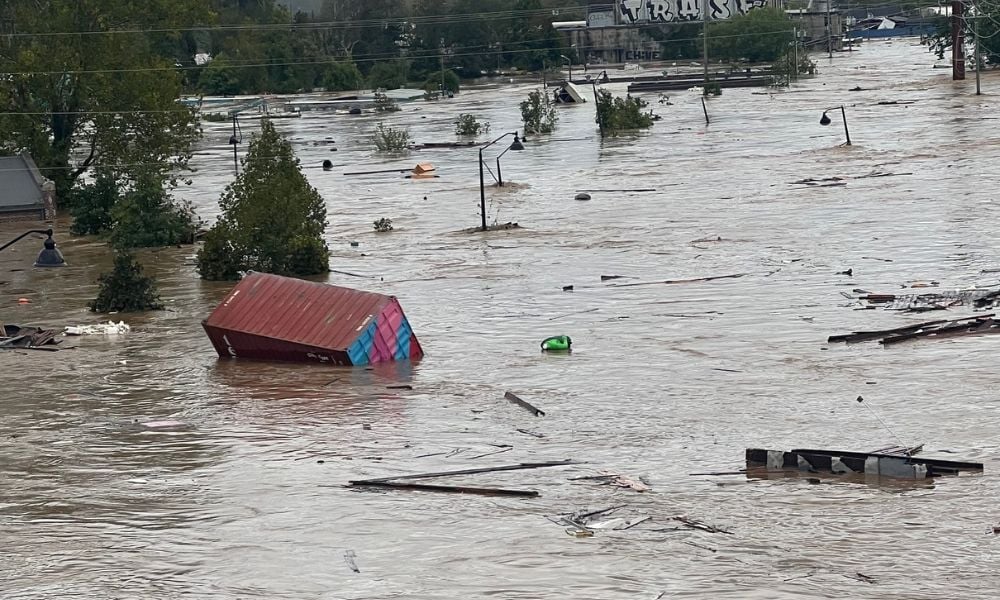
Matthew Archer is one of those advisors. Not only does he have deep ties with the Asheville, North Carolina community, he also witnessed firsthand the storm's catastrophic effects and the challenges it poses for both residents and local businesses.
The partner and co-founder of AIM Advisors is based in Raleigh, North Carolina but considers Asheville his second home.
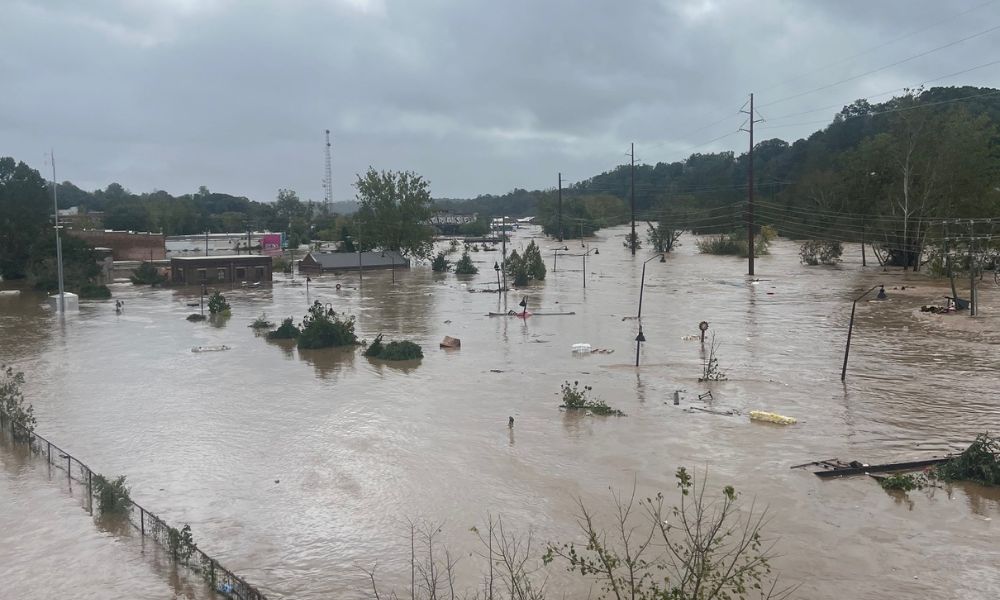
“The pictures don't even do it justice,” he says. “To see it firsthand and just the pure strength of water, it’s crazy. Luckily, we had electricity throughout the storm and weekend but no water and no cell service. Nobody knew what was going on.”
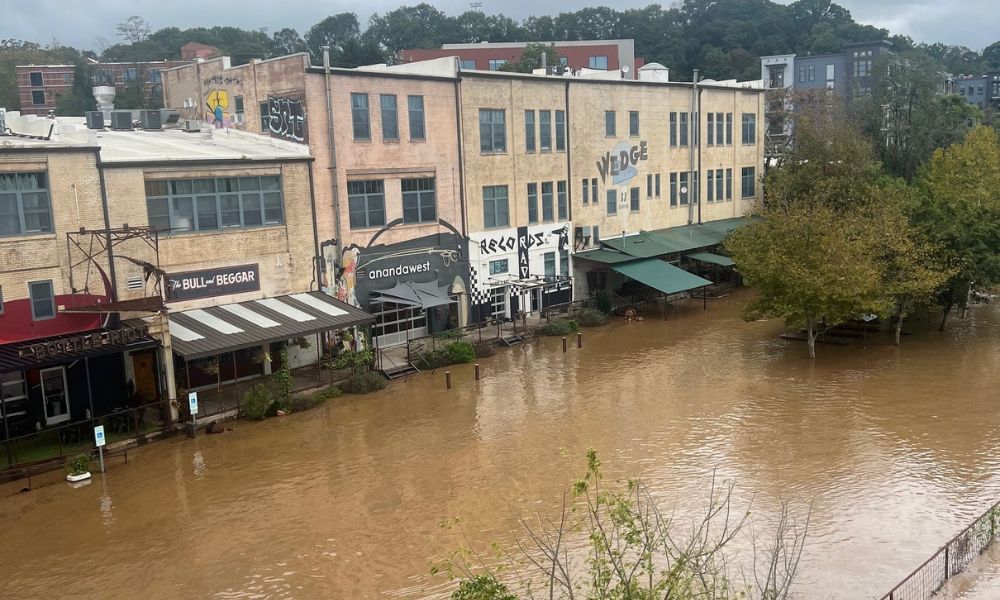
Despite there being no cell reception, Archer highlights that the community came together as they walked down to the river where the Asheville’s River Arts District was “basically underwater.”
The river crested at a record-breaking 25 feet, surpassing floods of 1916, Archer explains. He also watched in disbelief as a local brewery's shipping container tap room floated away down the raging waters.
As an advisor, Archer recognizes the importance of financial preparedness in the face of such disasters. He was struck by how many people lacked access to cash when the digital payment systems failed.
"If you didn't have cash, you couldn't buy food, you couldn't get gas to get out of town," he says. “Cash is king. You better believe I'll always have cash with me now."
While cash can provide piece of mind, if it’s in the home when a disaster strikes or if can’t be reached in the home due to flooding, that money is inaccessible or lost, says Brian Kuhn, senior vice president and financial advisor at Wealth Enhancement Group.
“Having a banking relationship for the emergency funds allows you to buy items with a debit or credit card,” he wrote in an email. “Working with clients who have been through tragedy is mostly about listening and providing resources.”
With lessons, of course, also come actionable strategies advisors can take to their clients. This will help ensure that they’re best prepared in the event of another natural disaster.
First and foremost, advisors emphasize the importance of having an emergency fund with at least 3-6 months' worth of expenses. This provides a crucial financial buffer when disaster strikes.
“I say 12 months because we always want to add that buffer in there,” says Christopher Mediate, president of Mediate Financial. “Set things aside that will allow you enough wiggle room for disaster and for insurance deductibles.”

Left to right: Christopher Mediate, Mediate Financial; Matthew Archer, AIM Advisors and Kimberly Briggs, Raymond James.
Andrew Evans, CEO and founder of Rossby Financial, recommends getting hands on with clients’ documents, reviewing the client's homeowner's or renter's insurance policy in detail. Advisors would also do well to ensure the coverage limits are sufficient to fully rebuild or replace the home and contents, he says. Especially when it comes to high-value items like art, jewelry, or collectibles.
“If you live in a natural disaster-prone area, you need to be very specific in listing all of those holdings in your homeowner’s policy,” he says. “When something goes wrong, people don't get that exact value back because it's not named.”
Another way to keep track of said items, suggests Kimberly Briggs, financial advisor at Raymond James, is to take videos of the home and all the household items.
“Open up your cabinets in your kitchen and take a video of it. Do it in every room and store that in an electronic means so that you can show that to your insurance agent,” she says, also remarking that clients should scan estate planning and insurance papers and store them electronically for easy access.
Advisors should also be a source of emotional support, reaching out to clients affected by natural disasters. This can involve providing practical guidance on accessing disaster relief, managing expenses, and navigating the claims process.
“It's a lot of listening, letting them talk through what they're seeing and how they're affected,” notes Cannon Carr, regional director and partner at EP Wealth Advisors. “Sometimes they feel guilty like they knew they should have planned for this but didn't. It’s [about] helping them work through the emotional aspect, then move to making better decisions.”
"That's part of our role is to make sure that we're there as the voice of support and reason," Mediate emphasizes. "That's what I've always done for my clients."
Ultimately, while advisors and clients alike could do their best to plan, “you just never know until it actually happens,” says Evans.
“You’ll never know if you did it right, you’ll never know if you necessarily did it wrong, but the best thing you could do is just be prepared.”

Meanwhile, Raymond James snags Edward Jones advisor in Arizona.

New Morgan Stanley research shows retirement planning is a key area where advice is required.

ASA reacts as regulator drops no-deny policy, freeing firms and individuals to publicly dispute allegations after reaching settlements.

Joel Frank allegedly sold more than $39 million worth of investments in the Equilus Funds to more than 90 investors,

The Charity Parity Act would eliminate a costly IRA rollover requirement that blocks direct charitable transfers from workplace retirement plans.
As technical expertise becomes increasingly commoditized, advisors who can integrate strategy, relationships, and specialized expertise into a cohesive client experience will define the next era of wealth management
Growth may get the headlines, but in my experience, longevity is earned through structure, culture, and discipline

