
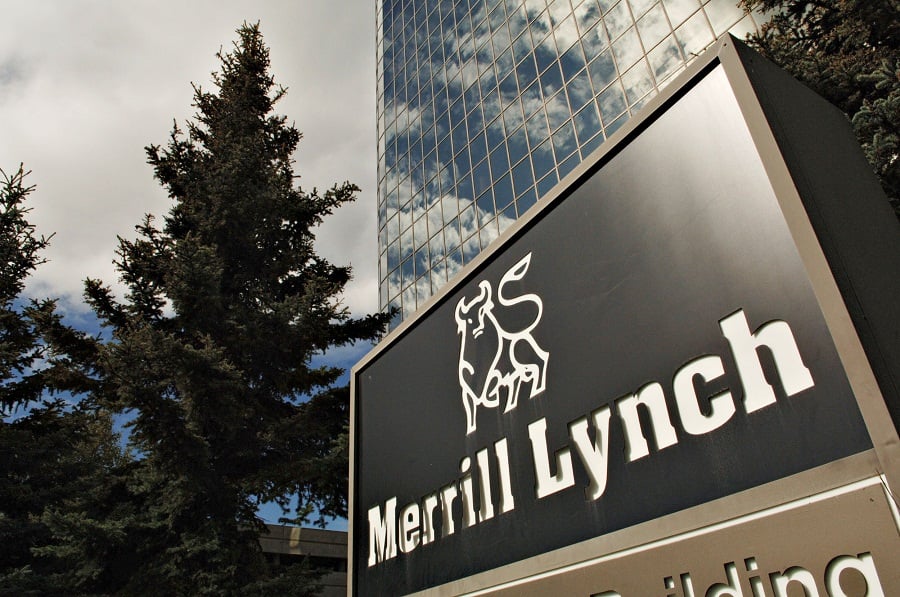
Last year produced an embarrassment of records at Bank of America's Merrill Lynch wealth management group, as the unit reached new highs on metrics ranging from assets to revenue.
Merrill Lynch posted record revenue of $17.4 billion in 2021, a 14% year-over-year increase. Client balances reached a record $3.2 trillion by the end of December, another 14% annual increase.
The firm also saw a record net addition of ultra-high-net-worth clients, or households with more than $10 million in assets, which rose 32% to more than 720.
Indeed, the word "record" was used 25 times in a summary released Wednesday morning of Bank of America and Merrill Lynch's 2021 wealth management highlights for last year.
As InvestmentNews has noted, despite last year's political and social turmoil, 2021 turned out to be a tremendously fat year for the broad financial advice industry, from large broker-dealers to burgeoning registered investment adviser networks.
The S&P 500 repeatedly hit record highs during 2021, benefitting brokerage firms like Merrill Lynch immensely. The index ultimately posted a total annual return, including dividends, of 28.7% — almost twice its annual median return of 15.4%.
Merrill Lynch was no exception to the industry's good fortune. Sixty percent of the firm's financial advisers received an incentive award last year, according to a senior Merrill Lynch executive who spoke with reporters Wednesday morning on the condition he remain anonymous.
That reflects Merrill's planning; in 2018, the firm unveiled changes in compensation and pay that rewarded advisers for bringing in a healthy number of net new accounts, while those who fell short of new company goals saw compensation cuts.
And all this was accomplished with fewer financial advisers. Training advisers at Merrill Lynch has suffered during the Covid-19 pandemic, resulting in a diminished head counts across the Bank of America/Merrill Lynch wealth management franchise, from private bankers to wealth managers to adviser trainees.
Bank of America/Merrill Lynch reported 18,846 advisers at the end of last year, including Merrill, Bank of America private bank and consumer investments. That compares to 20,103 at the end of 2020, a decline of 6.3%.
The company said that was "due in large part to an 18-month pause in hiring trainees during the pandemic, and as the company prepared to launch its new adviser development program," according to the earning's report summary.
Historically, Merrill has hired about 2,000 advisers into its training program annually, the company said.

Goldman's president and COO is expected to replace David Solomon as CEO as soon as 2027, ending a near-decade at the firm's helm.

A state-by-state Medicaid report card, federal cuts starting in January and a home-equity cap due in 2028 are pushing a program most affluent families ignore into the planning conversation.

New model blends public and private markets as demand for alternatives among wealthy clients accelerates.

Salespeople at the firm often went beyond the matching algorithm to recommend network advisors on its Zoe Wealth platform, according to the regulator.

The Protect College Sports Act would cap school payments and codify NIL rights, with implications for advisors guiding young athletes.
As AI makes financial information more accessible than ever, Lana Hock explains why human judgment, trust, and empathy remain the qualities clients value most in a financial advisor
Northern Trust’s Ken Lassner shows advisors how to convert volatility into after-tax portfolio gains

