
There’s more to life - and legacy planning - than money.
Approximately $124 trillion in wealth will transfer from Baby Boomers and older Americans to heirs, widows, and charities by 2048, according to Cerulli Associates' most recent report.
Beyond financial assets, however, there are other parts of a family’s legacy that remain at risk of being lost in the generational handoff. The question is, what role should advisors play in helping preserve a family’s history and values in addition to its financial assets?
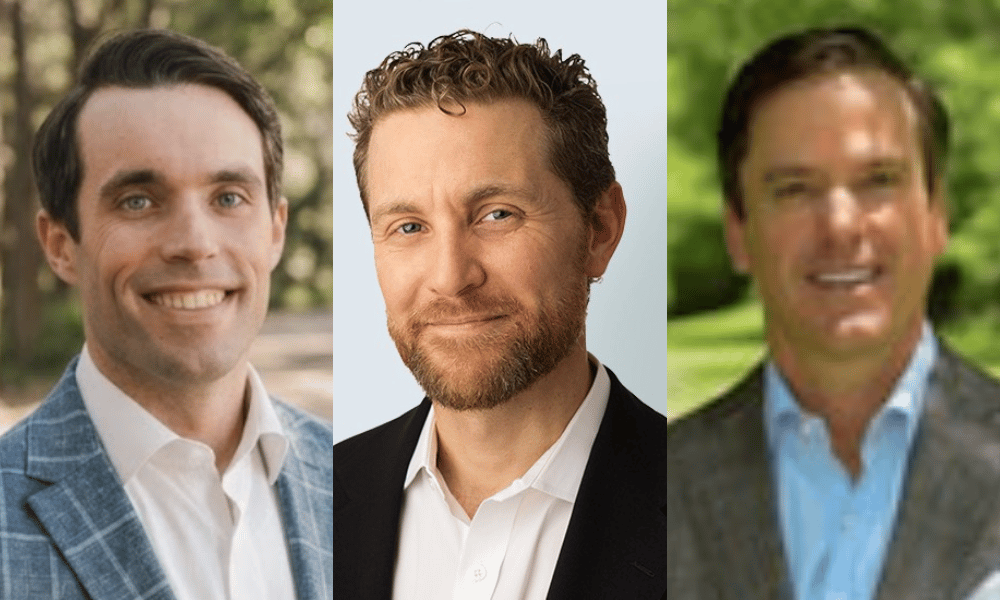
Alex Kirby, founder and CEO of Total Family, says the wealth gets transferred, yet the why, the story, and the voices behind it often don’t. In his experience, it’s the family values, letters, memories, and the people who built it that usually disappear from mind first.
“The families doing this well are practical. They know everyone is busy, so they treat legacy as something built a little at a time over a long period, not something finished all at once. And the heads of family lead by example. If you want your parents to write a legacy letter, write yours first,” Kirby said.
As for the most creative or meaningful ways he’s seen families document and pass down their history, values, or wealth philosophy, Kirby says the format will keep evolving.
“Letters become audio. Audio becomes video. Video becomes something that does not exist yet. Start with the format that feels easiest right now. The intention is what lasts,” Kirby said.
Brian Turner, private wealth advisor at Procyon, points out that the wisdom a family legacy carries is most at risk of being lost between generations because it is often acquired and introduced in times of trouble or tragedy and difficulty.
“We often turn to wisdom or gather it in the seasons of suffering. By extension, a family’s problems are incredible teachers. But to make use of the teachings, families must try consciously to remember their painful experiences as sources of knowledge,” Turner said.
Turner believes this is hard work for most advisors because it is a departure from managing the money, and, in most cases, forces wealth managers to play the role of “agent provocateur.”
“Loving our clients is done through exploring the power of a vision, force of personality, and the ability to articulate shared ideals in a language with which people can identify. Exposing dark silhouettes against the luminous matter of wisdom lifts and enlarges a family’s capacity. From that ember buried in the ashes we can rebuild the fire,” Turner said.
Turner says his Procyon team embarked on a project called “Wealth Whispers” to capture the essence of beloved family members through oral histories using high quality videos for when listeners might be receptive.
“Our job is to be present, listen, and see where it goes. We ask tough questions and immortalize conversations, mostly as a ‘love letter’ to our valued relationship with a client family. Our view is that we all have influence in a family circle,” Turner said.
Elsewhere, Brian Gately, managing partner at Anchyra Partners, believes the role of a Family Office is to help bridge the generational gap through financial education, ensuring the next generation understands not just the assets they’ve inherited, but the responsibility and tools required to steward them.
According to Gately, legacy planning is evolving as families move beyond traditional trusts and estate documents to include the "why" behind the wealth.
“We find that preserving family origins, history, and purpose is invaluable for maintaining cohesion. When heirs understand the family narrative, they are more likely to uphold the ethics that built the foundation in the first place,” Gately said.
In order to encourage this goal, Gately utilizes several creative structures including Family Limited Partnerships (FLPs), which allow the next generation to observe the "hows and whys" of decision-making long before they assume full control. He also uses philanthropic vehicles like Donor-Advised Funds and Family Foundations to serve as a "training ground" for values-based investing and collective decision-making.

House-passed measure would let fraud victims deduct losses and waive early-withdrawal penalties on stolen retirement funds.

Anthropic's Enterprise plan offers advisors stronger data controls — but smaller RIAs may struggle with the cost.

Partnership with DPL adds Jackson and Protective to insurance marketplace as fee-based annuities gain traction with fiduciary advisors.

Morgan Stanley is one of the leading wealth management companies in the country.

South Carolina and Bay Area advisory teams join the WPCG-backed national platform as RIA dealmaking hits new highs.
Northern Trust’s Ken Lassner shows advisors how to convert volatility into after-tax portfolio gains
Dan Biagini of American Equity says the steady decline of pensions, longer lifespans and a reset in interest rates are rewriting how advisors build retirement income

