
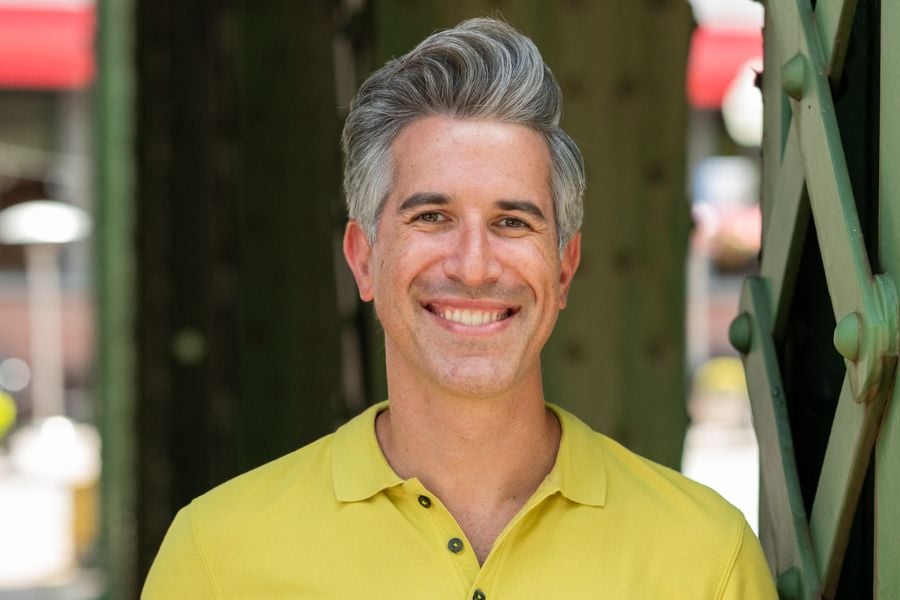
Douglas A. Boneparth has carved out a reputation for addressing the unique monetary challenges millennials face. As president of Bone Fide Wealth and a millennial himself, he views it as his calling.
"One of the more unique things about me as a financial professional is how long I've been doing this,” Boneparth said. “I grew up the son of a certified financial planner, so I've practically spent my entire life in or around wealth management.”
At the age of 19, he began working in his father’s practice but it was an epiphany while attending business school in the evenings that led to Boneparth finding his niche. “I thought I’d start focusing on my peers,” he explains.
His penchant for helping clients his own age manage their finances has shaped Boneparth’s career. And while the term "millennial" can sometimes come with negative connotations, the New York City-based advisor doesn’t agree.
“I'm pushing 40,” he said. “And somehow people still believe we’re 25, with no kids and no job. Meanwhile, I own a house, have a couple of kids – and I’m growing a business. My clients are hitting peak earning years and doing rather well.”
Boneparth decided to focus on millennials when he realized they represented an underserved demographic in the financial planning sector. "I thought it was a tremendous opportunity to invest in my peers when nobody else would invest in them.”
It’s a group that’s faced its fair share of challenges, from the Great Recession to the global pandemic – experiences that have left their mark. “My generation is fairly traumatized.” Boneparth explained. However, he also highlighted the unique opportunities available to this generation.
"There's never been a better time to be an entrepreneur,” Boneparth said. “Technology gives us the ability to create and operate businesses like never before. Barriers to entry have been lowered to a point where they can outweigh some of the challenges that many in my generation have.”
But those challenges aren’t small. Despite higher interest rates, housing prices haven’t come down, while many continue to struggle with the weight of their student loans and the impact of inflation.
“Student loans were one of the main issues I focused on when creating a firm that works with millennials,” Boneparth said. “This problem was unique to my generation. However, my main goal as a financial professional is to leave the world a better, more financially literate place than I found it.”
Spreading financial literacy isn’t only a professional goal for Boneparth, it’s a deeply personal one that he and his wife Heather have taken on together.
“As of this year, my firm is now a family business,” he says. “We write three newsletters – there's one specifically catered to millennials, money and culture called 'This is the Top.' That’s become second to our primary newsletter that my wife and I co-author, called 'The Joint Account.' This is in anticipation of our second book we’re writing together called 'The Merge,' where we will navigate the power struggles and money dynamics between partners.”
"The Joint Account" is a testament to their commitment to helping couples navigate the tricky waters of personal finance as a pair. “[It] focuses on helping couples talk about money,” Boneparth explained. “We, as individuals, tend to struggle with our own identity with money. We're not generally provided a financial education around money and finance through school. If we’re lucky, maybe our parents taught us about it. It's a real shame and a deficiency in our society.”
And those deficiencies are only compounded when people come together as a couple, he said. “Not only do we struggle with our own identity with money, what happens when we find someone we love? Now you have two people who don't necessarily have the best foundations or educations when it comes to money, then they get merged together. It creates a larger challenge.
“We want to be able to show effective ways to communicate and merge financial lives together. We want couples to be able to navigate the psychological and behavioral factors that are inherently part of working together financially," Boneparth said. "We also want to create equity in relationships, particularly when it comes to money. It's no surprise that money is the No. 1 reason relationships don't work out.
“It's almost cliche, but why is that?," he said. "Well, it’s because we struggle to communicate and collaborate on the issue.”

A Nationwide survey finds 47% of GLP-1 users have never discussed the drugs’ financial impact with an advisor, even as many dip into savings.

The hundreds of millions of dollars from a sale of Inspired Healthcare properties does not mean an immediate windfall for investors.

Its SEC filings said one thing - a congressional probe said another.

Sham agreements allegedly padded revenue by 345%.

"Most pre-retirees are uncomfortable making key retirement income decisions without an advisor's help," said Chris Bailey of Cerulli.
Knighthead Life entered the market with a competitive MYGA. A strong launch earned advisor confidence and paved the way for FIAs.
As AI makes financial information more accessible than ever, Lana Hock explains why human judgment, trust, and empathy remain the qualities clients value most in a financial advisor

