
We could be about to witness major change in the timing of corporate earnings. Earlier this week the Securities and Exchange Commission proposed amendments that would give public companies the option of filing semiannual reports rather than the traditional quarterly reporting schedule.
While the move has major ramifications for corporate reporting, it was not completely out of the blue. President Donald Trump is a big proponent of semiannual reporting and has called for the change during both his first and second terms in the White House. In a post on his Truth Social network last year, he said that the move to six-month reporting would save money and let managers focus on properly running their companies.
JPMorgan CEO Jamie Dimon backed the idea in an October interview with Bloomberg last year, pointing to the perils of having chief executives under pressure to meet earnings targets and other expectations from investors.
SEC Chairman Paul Atkins is also a supporter of the change, highlighting the “rigidity” of the Commission’s existing rules in a statement this week. The proposed amendments, if ultimately adopted, would provide companies with increased regulatory flexibility, he added.
Commissioner Hester Peirce offered her own thoughtful take following the announcement, suggesting that bogged-down reporting entities could also benefit from a slimmer quarterly disclosure requirement.
The Investment Company Institute, a trade association that represents the asset management industry, was quick to applaud the SEC’s proposal. In a statement the ICI said that the quality of information that its members receive is more important than the frequency.
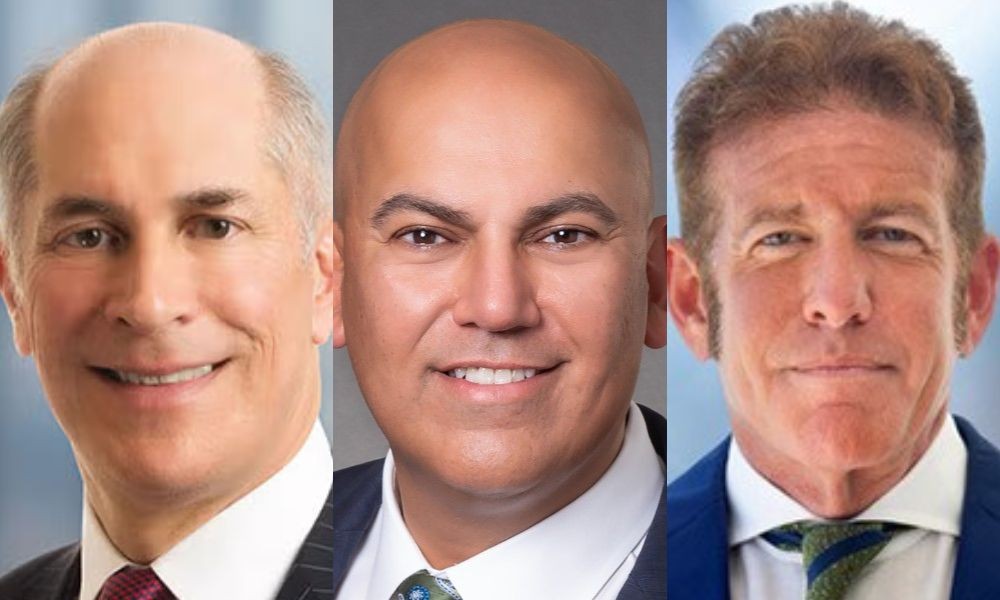
But what does the wealth management industry think about the prospect of companies reporting every six months as opposed to every three months? “I am not that worried about it as an advisor,” Richard Reyle co-founder of Paramus, New Jersey-based RIA Questar Capital Partners told InvestmentNews.
Reyle added that, while he understands where critics are coming from when they warn there could be less visibility into companies reporting on a semi-annual schedule, he’s not unduly concerned. “Companies that are honest reporters are going to be honest reporters if they do it quarterly or semi-annually,” he said.
These sentiments are echoed by Monish Verma, CEO and co-founder of Farmington Hills, Michigan-based Vardhan Wealth Management. “At this point, my opinion is that I don’t see a big concern with this,” he told InvestmentNews.
While much has been made of how the shift in reporting schedule could ease the regulatory burden on companies, Verma said that he would like to see more data on what that would actually mean for the advisory industry. “I don’t see the reason why not to go to six months but I haven’t seen a value proposition for the clients or their advisors yet,” he said. “I haven’t seen anything robust come out.”
With that in mind, he would like to see the SEC trial the new corporate reporting schedule for a period of, say, three years, which would give regulators and corporations the opportunity to fully evaluate possible benefits or shortcomings.
Lawyer Jay Dubow, partner and co-lead of the securities investigations and enforcement practice group at Troutman Pepper Locke thinks that the six-month reporting schedule could be burdensome to financial advisors who are used to getting quarterly earnings information.
“It could be especially burdensome to financial advisors if some companies remain as quarterly filers while peers elect to report semi-annually, as it will make comparisons more difficult,” he told InvestmentNews.
“If companies elect to report semi-annually, I would expect financial advisors to have to work more to get additional information about such companies and some transparency will be lost,” he added.

Retiring RIA seller David Laidlaw alleges the Carnegie valued his stake on $11.7 million EBITA while pitching potential buyers on $21.3 million.

New tool gives RIAs and family offices AI help vetting private market deals, with some users reportedly halving review time.

Investors got projected returns dressed up as real ones, SEC says

Parents must still act to get the $1,000 federal seed and employer contributions, giving financial advisors a role in the rollout.

FINRA booted Rudy Anguiano from the industry for “conversion - the intentional and unauthorized taking of another person’s property.”
As AI makes financial information more accessible than ever, Lana Hock explains why human judgment, trust, and empathy remain the qualities clients value most in a financial advisor
Northern Trust’s Ken Lassner shows advisors how to convert volatility into after-tax portfolio gains

