
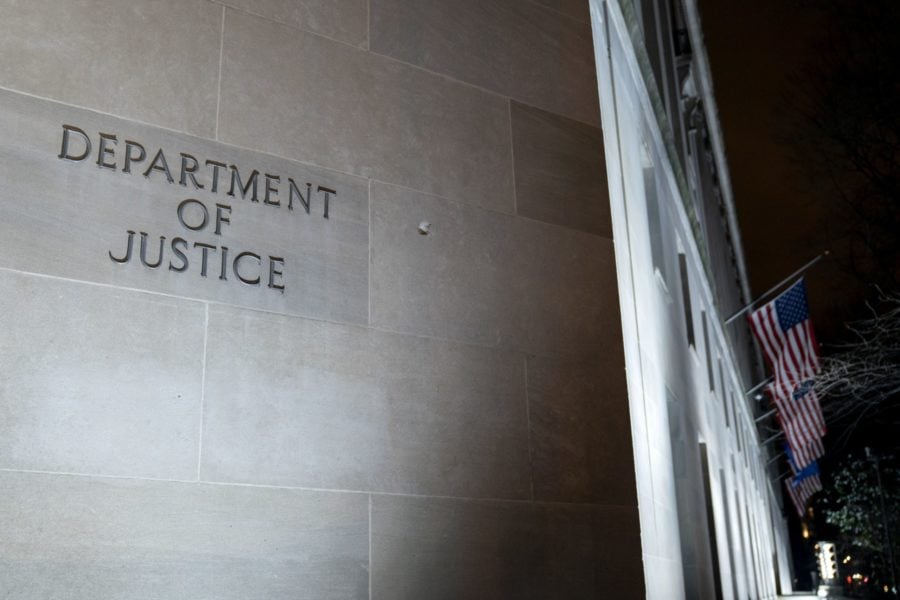
The former head of fixed-income trading at IFS Securities Inc., which filed for bankruptcy last year, was charged with fraud on Thursday for allegedly engaging in unauthorized speculative bond trading that cost the Atlanta firm and others more than $30 million, according to the Department of Justice.
The trader, Keith Wakefield, was charged with one count of securities fraud., which carries a maximum sentence of one year in prison.
In a parallel action, the Securities and Exchange Commission said Wakefield had agreed to settle charges that he allegedly caused millions of dollars of losses through unauthorized trading in fixed-income securities, and that he fraudulently obtained approximately $820,000 in fictitious commission income.
His attorney, Holly N. Blaine, did not return a phone call Monday to comment.
Wakefield, 48, was fired by IFS Securities in August 2019 amid allegations of “fraud” and “placing fictitious trades,” according to his BrokerCheck report. The product in question was government debt.
At the time, IFS Securities reported to the Financial Industry Regulatory Authority Inc. and the SEC that the firm had “recently suffered substantial losses as a result of unauthorized securities transactions — not involving customers’ assets — perpetrated by one of IFS’ Securities most trusted senior employees,” according to a statement from the company.
That essentially ended the firm, which declared bankruptcy several months later. Wakefield was also barred from the securities industry by Finra.
His alleged scheme existed for two years before it collapsed in August 2019, according to the Department of Justice.
"Wakefield attempted to conceal the unauthorized trades and losses by entering fake off-setting trades into a clearing broker’s order system, creating the false impression that he had profitably traded through a different clearing broker," the Department of Justice alleges.
And Wakefield also allegedly embezzled approximately $820,000 from his employer by falsifying the company’s books and records to create fake commissions that Wakefield knew were not actually owed to him, according to the charge.

A Nationwide survey finds 47% of GLP-1 users have never discussed the drugs’ financial impact with an advisor, even as many dip into savings.

The hundreds of millions of dollars from a sale of Inspired Healthcare properties does not mean an immediate windfall for investors.

Its SEC filings said one thing - a congressional probe said another.

Sham agreements allegedly padded revenue by 345%.

"Most pre-retirees are uncomfortable making key retirement income decisions without an advisor's help," said Chris Bailey of Cerulli.
Knighthead Life entered the market with a competitive MYGA. A strong launch earned advisor confidence and paved the way for FIAs.
As AI makes financial information more accessible than ever, Lana Hock explains why human judgment, trust, and empathy remain the qualities clients value most in a financial advisor

