
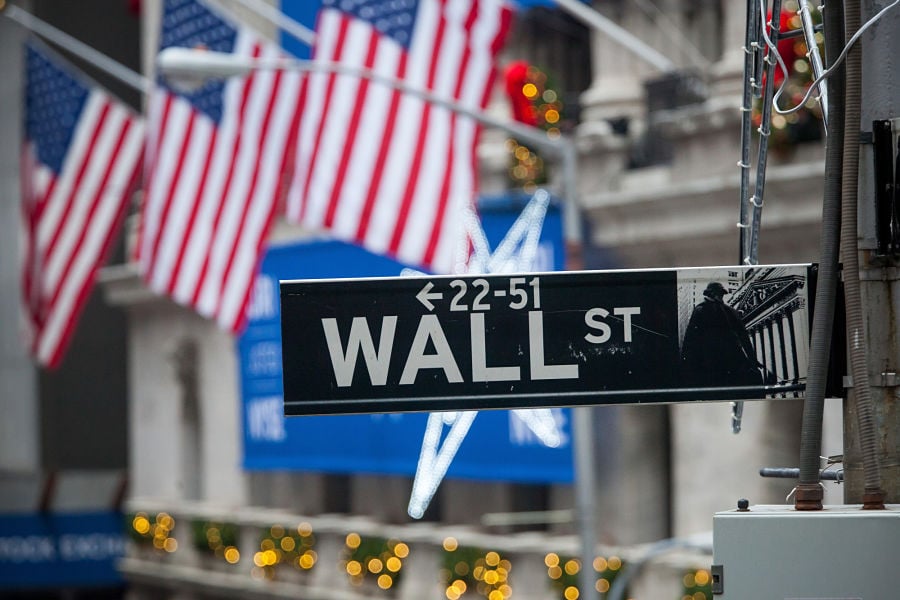
Four of the biggest banks on Wall Street must improve their blueprints for a hypothetical wind-down after top US regulators found weaknesses in their plans.
The so-called living wills of JPMorgan Chase & Co., Bank of America Corp., Goldman Sachs Group Inc. and Citigroup Inc. all had a “shortcoming,” the Federal Reserve and Federal Deposit Insurance Corp. said Friday. The regulators reviewed the most recent resolution plans, which were mandated following the 2008 financial crisis.
“For the four banks with an identified shortcoming, the letters describe the specific weaknesses resulting in the shortcoming and the remedial actions required by the agencies,” the agencies said in a joint statement. The regulators didn’t identify weaknesses in the plans from Bank of New York Mellon Corp., Wells Fargo & Co., State Street Corp. or Morgan Stanley.
Bank of America, Goldman and JPMorgan declined to comment.
Citi said that is was “fully committed to addressing the issues identified by our regulators.” The lender “will invest what is necessary to support this critical effort,” and is confident it could be resolved without taxpayer funds or negatively effecting the financial system, Citi said in a statement.
The Fed and FDIC diverged on the significance of the problems with Citi’s plan. The FDIC deemed the weakness to constitute a “deficiency,” a more severe finding. Because the two disagreed, Citi’s weakness was deemed a “shortcoming.”
The finding of a shortcoming doesn’t result in a penalty for banks.
The regulators made their determinations based on plans submitted in 2023. The banks with weaknesses are required to deal with them in new resolution plans due July 1, 2025, according to the regulators.

When advisors have tech to handle meeting prep and organization, it frees up time they can reinvest more thoughtfully into helping clients.

LPL Financial and Raymond James also add independent advisors from Osaic and Edward Jones in Michigan and Arizona.

The SEC-registered RIA advises on more than $1 billion in client assets, with no advisory fee through 2027 and no human financial advisors.

95.8% of house trades were winners. For clients? The SEC says just 14.9%.

The complaint says Duolingo added friction on purpose, then lied about it.
Knighthead Life entered the market with a competitive MYGA. A strong launch earned advisor confidence and paved the way for FIAs.
As AI makes financial information more accessible than ever, Lana Hock explains why human judgment, trust, and empathy remain the qualities clients value most in a financial advisor

