
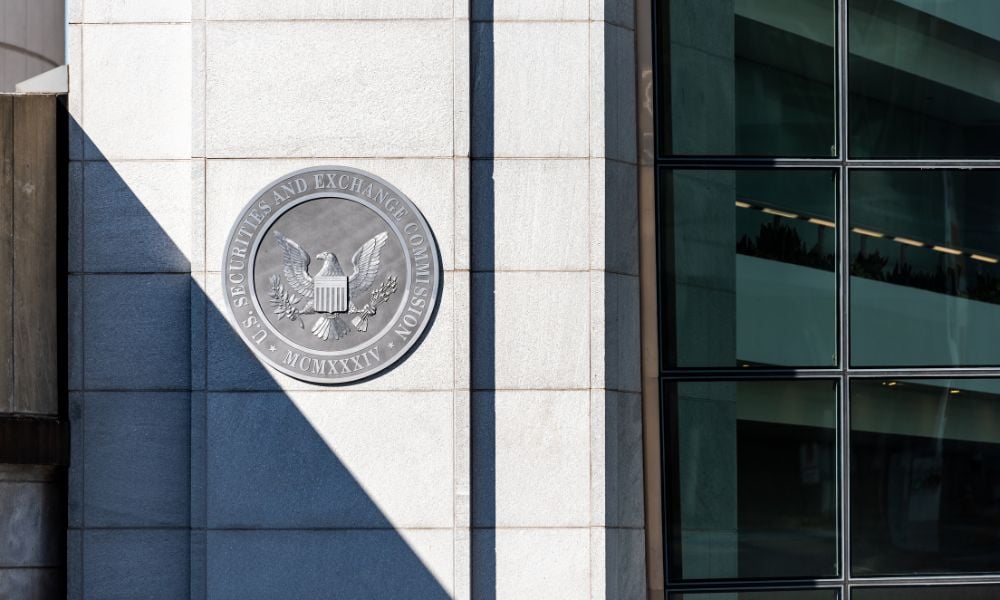
The SEC accuses the founders of a modular-building company of raising about $65 million from nearly 350 retail investors to build factories that, the agency says, mostly went unbuilt.
The Securities and Exchange Commission has sued the two co-founders of S2A Modular, a modular-building company, alleging they ran what the complaint calls a "fraudulent securities offering." According to the filing, they raised around $65 million from nearly 350 retail investors nationwide between April 2018 and January 2025.
The complaint was filed on July 23, 2026, in the US District Court for the Northern District of California. It alleges the pitch was a nationwide network of "MegaFactories" that would build homes and commercial units in a factory and ship them out for assembly. Investors were told to choose a specific factory to fund, the complaint says, and were promised distributions only from the profits of that one location. According to the filing, one founder served as chief executive and the other as president.
Here is the part relevant to anyone whose clients get pitched private placements. The SEC alleges the choice of factory was sold as central to the deal, then set aside. From about May 2021 through December 2022, the complaint says, the founders moved more than $20 million out of the individual factory accounts into a single headquarters account, then redirected more than $8 million of it to one facility in Patterson, California - without telling the investors who had funded other locations.
The complaint also alleges the two overstated demand. It says the chief executive told investors in a 2020 webinar the company had "in excess of over 600 units that . . . are under contract right now for a California build," and that the company later claimed "900 plus units on order." The SEC alleges those orders were not binding and that the company had at most about 100 real contracts by the end of 2024. The filing also alleges the founders knew nothing could be built until the Patterson facility received a certificate of occupancy, which the complaint says did not arrive until January 17, 2024.
Then there was the promised wave of big-money backers. According to the complaint, the founders repeatedly told retail investors that institutional funding was imminent, citing "verbal commitments to the entire $400 million," letters of intent said to be worth $110 million, "about $3 billion in the institutional pipeline," and the recurring line that "institutional funding is right at the doorstep." The SEC alleges none of it materialized, and that serious institutional money was unlikely in part because the company never had its financials independently audited.
For advisors and compliance teams, the sharpest allegation is about retirement money. The complaint says the chief executive urged retail investors to put in any funds they could, including from IRA rollovers, 401(k)s, IRAs, and Roth accounts, before institutional investors supposedly arrived.
The SEC brings claims under Section 17(a) of the Securities Act and Section 10(b) of the Exchange Act and Rule 10b-5. It is seeking permanent injunctions, civil monetary penalties, and officer-and-director bars against both founders.
The allegations have not been tested, and no court has ruled. The complaint reflects the SEC's allegations only.

Meanwhile, DPL Financial Partners adds two annuity executives and Prime Capital Financial hires a Mid-Atlantic retirement plan consultant

Andrew Komarow pleaded guilty Thursday in federal court in Hartford to defrauding three financial services companies of close to $3.3 million.

Elsewhere, Cetera picks up a $210 million Connecticut team from MML, while Wells Fargo FiNet adds a San Diego family practice from LPL

Celebrity endorsements, $500M in claimed assets, and a state regulator stepping in.

“We needed to become a more agile and efficient organization,” said American Express CEO Stephen Squeri.
Knighthead Life entered the market with a competitive MYGA. A strong launch earned advisor confidence and paved the way for FIAs.
As AI makes financial information more accessible than ever, Lana Hock explains why human judgment, trust, and empathy remain the qualities clients value most in a financial advisor

