
Estate planning conversations often begin with one question: do you have children? But for a growing - and disproportionately wealthy - segment of clients, that framing misses the mark entirely.
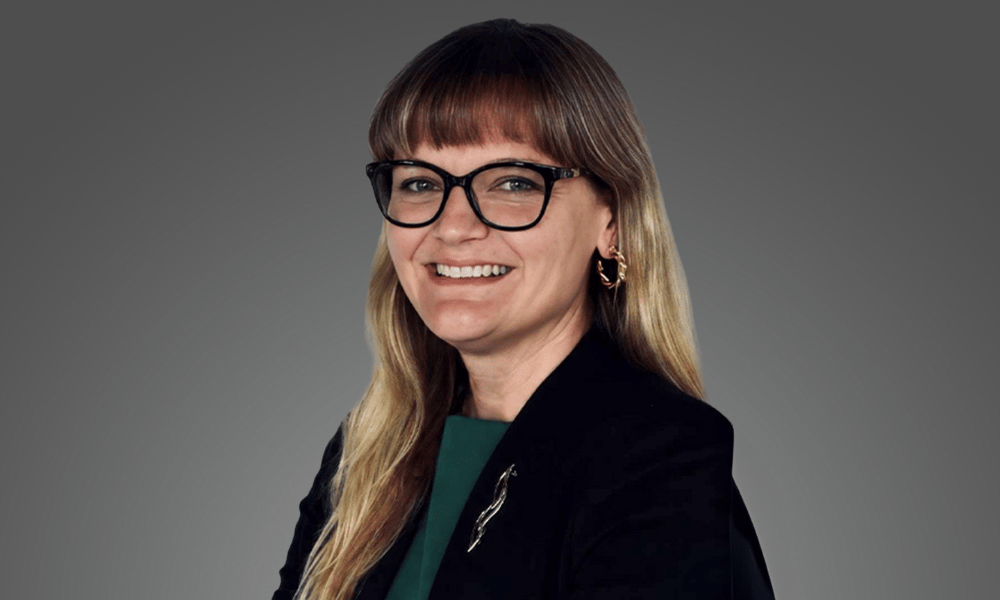
Jennifer Goode, Senior National Director of the Wealth Strategies Group at Bernstein Private Wealth Management, says the childless client is one of the most underserved in the industry, and the advisors who learn to serve them well are sitting on a significant practice opportunity.
Federal Reserve research indicates that childless adults carry a median net worth significantly above the general population, but they are far less likely to have a will or any formal legal planning documents in place. However, Goode sees that as an opening for advisors.
"Too often, children are seen as a primary reason to put an estate plan in place," she told InvestmentNews. "Conversations around legacy can be more nuanced when someone is looking beyond this default plan, and that can create a hesitancy to engage. But I see this as an opportunity, and advisors should, too."
Goode says that the traditional estate planning model built around guardian appointments and generational wealth transfer does not translate cleanly to clients without children. She believes that advisors who rely on it risk missing both the complexity and the potential of this segment.
"Advisors can start by identifying clients whose planning doesn't fit neatly within that traditional parent-to-child framework," she said. "But I wouldn't necessarily treat nonparents as the only group within this client base. Clients who want a highly personalized plan may benefit from exploring who is included in their definition of family and digging deeper into their personal sense of significance."
The reframing from default planning to intentional legacy design is central to how Goode coaches advisors at Bernstein. Rather than leading with legal structures, she encourages advisors to ask clients about the people and values that shape their lives.
"Who and what do they care about? How do we reflect that throughout their plan?" she said. "Offering nonparents, and parent clients alike, help with this introspection can provide a real value add for clients."
One of the most pressing vulnerabilities for childless clients, Goode said, is the default legal framework that governs incapacity.
When no formal documents exist, state law typically grants decision-making authority to a parent, sibling, or more distant relative, regardless of whether that person is the most appropriate representative for the client's wishes.
"Nonparents may be uniquely vulnerable to the impacts of our default laws if they fail to put an estate plan in place," she said. "How often might a close friend or advisor be a better fit for a nonparent? Dolly [Parton]'s estate is a great example of a situation in which a non-family member was the preferred representative."
Parton's public candor about her estate planning arrangements has, in Goode's view, offered advisors a rare cultural entry point into conversations that many clients otherwise find difficult to initiate.
"Celebrity cases offer a unique opportunity to show how an estate plan, or the lack of one, can ripple out and impact an individual's family and community," she said. "This shifts estate planning from a chore to an affirmative act of love and protection for others."
Of course, even careful planning does not guarantee a smooth journey following someone’s death – as the drama around Parton’s estate shows.
For advisors serving clients without traditional heirs, Goode recommends building a referral network that includes professional fiduciaries - corporate trustees, professional healthcare proxies, and other specialists who can step in when no family member or close friend is positioned to serve.
"It's also helpful to have recommendations for professional fiduciaries who can step in when a family member or friend isn't the right fit," she said.
When it comes to facilitating wealth conversations among a client's broader circle, which may include siblings, longtime friends, charitable causes, and former partners, Goode uses a two-part framework she shares with advisors across Bernstein's national practice.
The first step is to widen the lens. "Too often, planning professionals focus on immediate family members and forget to ask about other individuals who play a role in the client's day-to-day life or long-term goals," she said. "These 'chosen family members' can include friends, colleagues, neighbors, and more."
The second is to anchor conversations in lived experience rather than end-of-life logistics. "I often think of this as planning around the life they are leading, rather than focusing on an eventual death," she said. "Conversations about the client's most cherished memories, favorite activities, and sense of self can help advisors explore both components and build a better understanding of the individual at the heart of the plan."
As the share of adults over 55 without children continues to grow, Goode believes advisors who adapt their language and service model now will be better positioned for the decade ahead. The changes she recommends start with something as simple as reviewing client-facing materials.
"Do all of your materials focus on transferring wealth to the next generation?" she said. "Do your assumptions about who qualifies as a family member shape your client conversations? As an advisor, you have the power to help your clients question and explore what they want their legacy to look like and who the right individuals are to help them implement it."
The underlying principle, she said, is that the planning process should be led by the client's own values - not shaped by assumptions built for a different kind of household.
"You want that process to be client-led, not influenced by preconceived ideas about family or legacy. Paying attention to those details can help you get there."

A BCG report finds private credit and hedge funds driving CIB growth while AI reshapes bank operating economics through 2030.

Janney opens a Houston office with four advisors from Raymond James as Rockefeller deepens its Naples, Florida wealth management footprint.

Shorter waits for failed SIE and Series 7 candidates take effect Jan. 19, speeding the path to registration

Raymond James and Cetera also welcomed advisors from UBS and LPL as competition for experienced teams stays fierce

Jim Walesa worked in the securities industry for 39 years before leaving in 2021.
Knighthead Life entered the market with a competitive MYGA. A strong launch earned advisor confidence and paved the way for FIAs.
As AI makes financial information more accessible than ever, Lana Hock explains why human judgment, trust, and empathy remain the qualities clients value most in a financial advisor

