
Nearly half of Americans are skeptical they will ever be able to fully retire, with Gen Z and Millennials being particularly fearful of job reductions from AI having a negative impact on their ability to retire, according to a new study from financial services firm Thrivent.
Gen Z (63%) and Millennials (59%) are more likely than Gen X and Boomers (49% each) to anticipate a negative impact on their retirement from AI reducing the number of jobs. Surveyed retirees are also concerned, with 29% saying AI-driven changes to work have negatively affected their retirement, up from 20% in 2025.
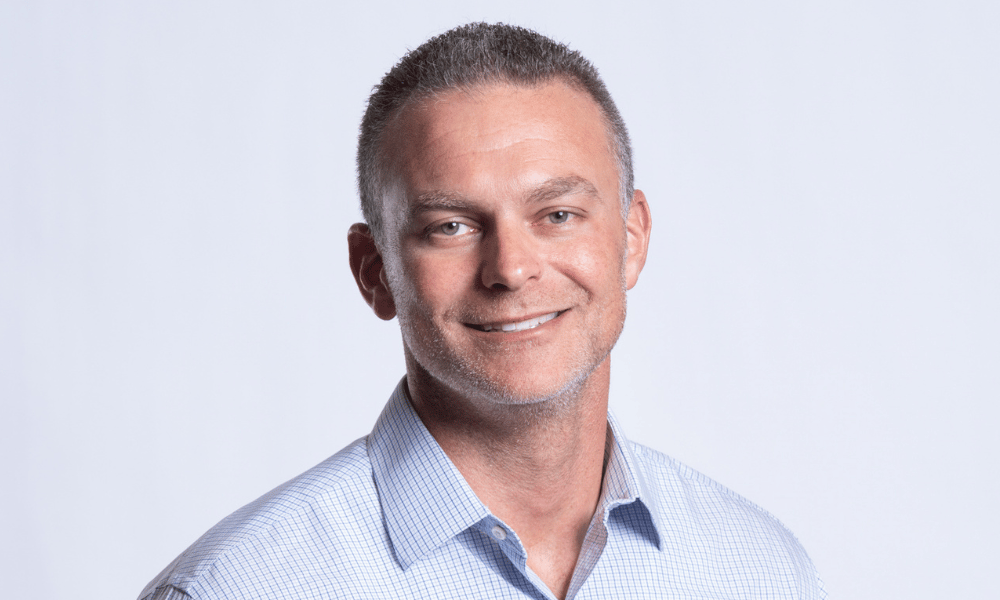
“More of the young people, whether it's Gen Z or millennials, are more concerned about some of this AI-based job reductions over a period of time,” Thrivent financial advisor Jason Rogoff told InvestmentNews. “It's still too early to know how that will reshape the workforce over a long period of time. But instead of trying to predict the change, we're better served focusing on the factors that we can control—such as saving habits, spending habits, maintaining flexibility in retirement plans.”
AI was the top reason cited by U.S. employers for job cuts during three straight months from March to May, according to outplacement firm Challenger, Gray & Christmas. Companies in the wealth management industry, such as estate planning fintech Trust & Will, recently cited AI disruption in their decision to lay off workers earlier this month.
“We've got rising living costs, we've got people living longer. We've got economic uncertainty, and then major questions about how technology like AI could affect jobs. It's making it harder for people to picture what a traditional retirement looks like,” said Rogoff.
Thrivent's 2026 Retirement Expectations Survey polled 2,032 general population Americans. Market research company Ipsos conducted the poll during June 2026. The survey found that 47% of non-retirees are skeptical they will ever be able to fully retire, with 36% anticipating earning income at some point after retiring from their primary career.
“Not everyone works in retirement because they need money. There's some people that work in retirement to keep busy,” added Rogoff. “I think the questions that we have to ask our clients are: Do you fully want to be retired? Do you want to work part time, or is it a have to work versus want to work kind of an idea?”
Compared with 2025, retirees in 2026 are more likely to cite negative retirement impacts from inflation (70% vs 57%), political instability (61% vs 48%), and global economic conditions (54% vs 44%), according to Thrivent.
Among non-retirees who feel behind in retirement planning, 37% cited not having or expecting an inheritance as a contributing factor, according to Thrivent. Rogoff works with 1,200 clients at Thrivent, the majority having between $250,000 to $1 million in investable assets.
“One of the things that I've been trying to drill into people is it's not an all-or-nothing mindset,” said Rogoff. “Small consistent retirement contributions could have a very meaningful impact over a long period of time. The power of compounding is really magical, and it's important even if it's small.”
Thrivent is a Minneapolis-based nonprofit insurer and asset manager that also operates Thrivent Investment Management as a subsidiary registered investment adviser. In total, Thrivent serves 2.4 million clients through thousands of financial advisors spanning $212 billion in assets under management and advisement.
The faith-based financial services organization was founded by Lutheran communities in 1902. Recently, Thrivent announced a multi-year deal with the Green Bay Packers to become the official financial services partner of the NFL team.
"The future has always brought uncertainty, but many Americans today are navigating a wider range of questions about work, the economy and retirement than they did just a few years ago," said Rogoff. "While the future may look different than previous generations expected, the fundamentals of retirement planning remain the same: start where you are, stay flexible and focus on the decisions you can control."

Shorter waits for failed SIE and Series 7 candidates take effect Jan. 19, speeding the path to registration

Raymond James and Cetera also welcomed advisors from UBS and LPL as competition for experienced teams stays fierce

Jim Walesa worked in the securities industry for 39 years before leaving in 2021.

As the market turned from pricing in cuts to betting on hikes this year, the developing reality of a K-shaped economy has had real implications for households and investors alike.

Alleged cash payments, stolen client data, and a court that jumped the gun
Knighthead Life entered the market with a competitive MYGA. A strong launch earned advisor confidence and paved the way for FIAs.
As AI makes financial information more accessible than ever, Lana Hock explains why human judgment, trust, and empathy remain the qualities clients value most in a financial advisor

