
Higher tariffs, lower taxes, fewer regulations, China a no-no, crypto a go-go and, of course, “drill, baby drill.” Such is the essence of the “Trump Trade,” according to Wall Street strategists.
So now that President Biden has stepped aside and anointed his Vice President to take his place in the race, how should advisors and investors construct a so-called “Harris Trade”?
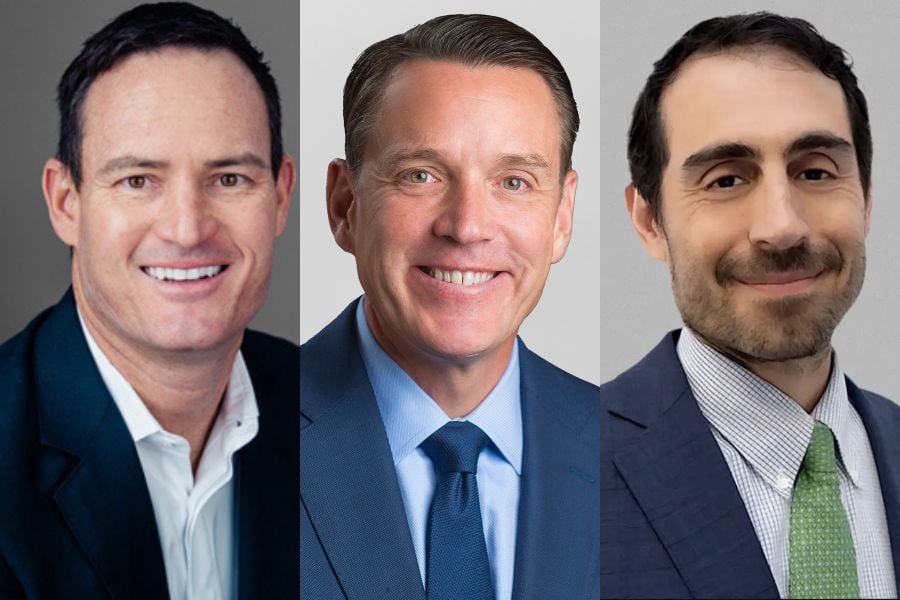
“If investors were to tilt to a ‘Harris Trade’ it would most likely support renewable energy initiatives and stricter environmental regulations,” said Michael Leverty, founder and CEO of Leverty Financial Group. “A Harris trade would also favor global trade and multinational companies as a Harris administration would most likely favor a re-engagement with international allies.”
Leverty adds that investors will certainly be watching for "policy driven themes" as the election progresses, as a Kamala Harris administration compared to a Donald Trump administration would offer a stark contrast in policy.
All that said, Leverty says he is not recommending adjustments or tilts currently as “a lot can happen between now and the election.”
Tim Holland, chief investment officer at Orion OCIO, says one could plausibly assume that the “Harris Trade” could echo the “Biden Trade,” which at a high level means supporting large cap technology companies, US multinationals and green energy companies, as well as a "tougher backdrop for old line industrial enterprises and US energy concerns.”
On the Republican side, Holland says "smaller cap, more domestically focused companies, particularly banks and industrials, and energy companies broadly, would find favor under a second term for President Trump," while the continuation of the Trump Tax Cuts could lead to "faster economic growth, higher inflation and higher bond yields, and lower bond prices.”
Chris Brown, private wealth advisor and managing director at Kingswood US, says technology has driven the markets and that will likely continue if Trump, or Harris with her California background, takes office.
“I believe her policy would be more favorable for large caps over small caps,” said Brown. “For bonds, we could see rates decrease sooner but the fed doesn't seem to be in a hurry. Bond pricing will likely remain close to where it is now with Harris in office.”
With all that in mind, Brown expects to see a “bumpy next few months” while markets get their footing based on the two candidates viewpoints.
Added Brown: “That’s, of course, assuming Harris is the official nominee.”
Finally, Matthew Gotlin, CIO and managing director of wealth management of Choreo, believes that no matter how Wall Street strategists perceive a “Harris Trade” unfolding, it will need some help from the folks in another branch of government.
“The outcome of this race will be top of mind for Americans for the next few months, and behaviorally, we may see swings as we often do. But historically, the Presidential elections and the candidates’ impact depend on congressional control and policy, like tax policy, impact felt over the very long term,” said Gotlin.

From using projects as strategic thinking exercises to real-world challenges as problem-solving exercises, indie firms can make for more powerful talent incubators.

New BCG research names financial services among the world's most AI-exposed industries and the US as a top-tier AI economy.

Rockefeller Capital Management's Mallory Findley on how avoiding conversations risks derailing even the best-laid estate plans.

New Empower research reveals a "retirement drift" problem that hands financial advisors a direct opening to add client value.

Nevis joins Jump at RIA platform Focus as both vendors’ AI tools aim to handle account opening and notetaking.
Knighthead Life entered the market with a competitive MYGA. A strong launch earned advisor confidence and paved the way for FIAs.
As AI makes financial information more accessible than ever, Lana Hock explains why human judgment, trust, and empathy remain the qualities clients value most in a financial advisor

