
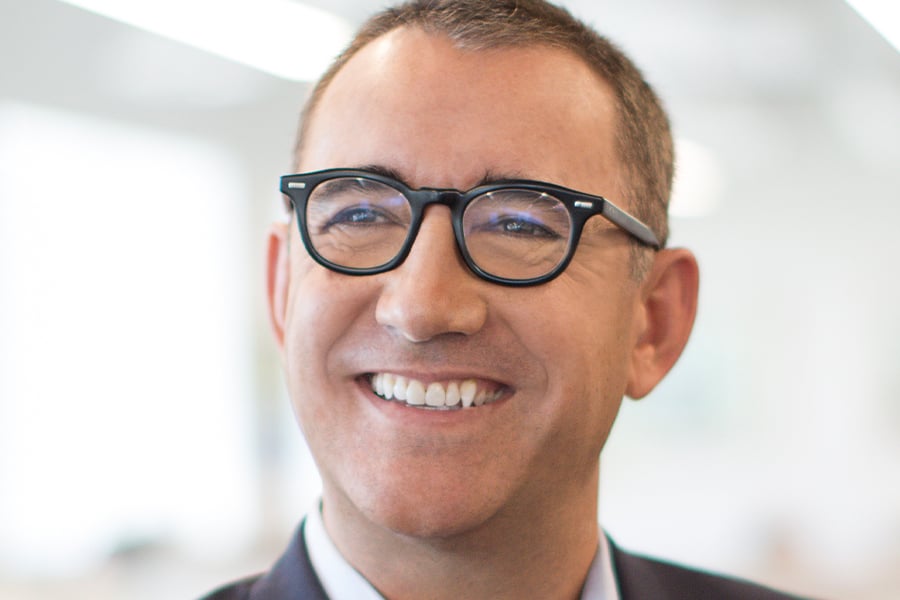
Before his firm, United Capital, was acquired by Goldman Sachs in 2019 for $750 million, Joe Duran was one of the most public-facing executives in the financial advice industry. And why not?
He was one of the pioneers of the registered investment advisor aggregator or roll-up business model, which has been widely imitated, bringing wealth and riches to the owners of RIAs who sold their firms in the past decade. At the time Duran sold United Capital, which he founded in 2005, it was estimated he was pocketing between $75 million and $150 million.
Duran has been far less in the public sphere since selling United Capital. That's not surprising. Goldman typically keeps a muzzle on its executives. So it was a bit of a surprise to see Duran, who heads Goldman Sachs Personal Financial Management, pop up last month for an interview on the Goop Podcast, which has a media partnership with the Wall Street bank.
Backed by movie star Gwyneth Paltrow, Goop is a zeitgeist-meets-pop-culture lifestyle brand that sells a variety of wellness products. It also likes celebrities. Kim Kardashian and Katy Perry, for example, were guests on the Goop Podcast weeks after Duran.
In an episode from Dec. 6 titled "Examining Your Money Mind," Duran listed some tenets of financial advice that he's used in his career and also revealed some details of his personal life that informed his work with money. Namely, he grew up poor in Zimbabwe and started working at the age of 11. He's also been a yogi, a practitioner of yoga, for 30 years.
“I grew up in Zimbabwe, very, very poor parents, with a single mom and two sisters," Duran said. "Money was a very scarce thing. I had to work from 11 years old, and frankly never stopped working through high school with multiple jobs. If I wanted anything, I had to make the money."
“What I did see early on was the conflict that money could create between my parents, because they had completely different views about the purpose of money in their lives," he said. "I think that really informed how I think about the role of money."
In 2001, Duran sold his first firm to General Electric, sat on the sidelines under a noncompete and thought about his next venture, which would eventually be United Capital.
At this time, he also began to outline a system to think about finances, which he eventually dubbed the "Money Mind" method. It identifies three approaches people use when it comes to personal finances and money: to enjoy life, to create a safety net, or sacrificing themselves for children or spouses.
“We often think that more money brings you more comfort, more peace of mind, more security," Duran said. "And in fact, it can add more friction. Because money ultimately is just fuel to get you somewhere to give you choices and give you optionality, but the choices you make can create a lot of conflict, both internally for yourself as well as with other people."

Phillip Patrick Williams sold private Forex funds to “investment advisory clients,” according to an SEC lawsuit.

The wealthtech firms' latest updates extend growth insights, custodian-linked planning and family office data access for financial advisors

IRA and 403(b) balances eased too, while SECURE 2.0 data shows sponsors taking a selective approach to optional plan features

As the great wealth transfer drives demand for advanced trusts, former Stinson partner and head of Hargrove's new UHNW practice says the traditional billable-hours model is failing wealthy families

The SEC's restructuring plan would bring the CAT under direct federal oversight, eliminating a decentralized governance model.
Advisors are broadening the conversation beyond savings to help clients prepare for the realities of longer lives
Growing wealth, evolving priorities, and untapped opportunities are reshaping how women approach long-term investing.

