
Big mistake. Big. Huge.
That’s the famous line from Julia Roberts in the film, "Pretty Woman." But in the RIA world, some advisors still think it applies to private equity — selling out to a corporate raider who slashes costs, lays off staff and strips firms down for parts.
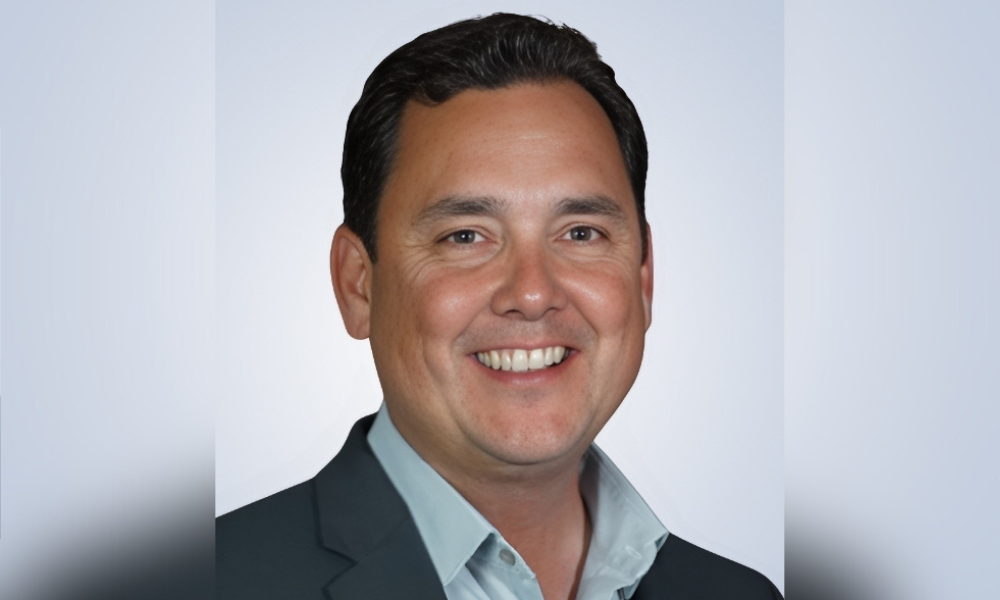
It’s a misconception, says California-based Modern Wealth Management president Jason Gordo, who argues private equity’s role in wealth management looks very different from the Edward Lewis character played by Richard Gere in the 1990 rom-com.
“A lot of advisors think, 'I don't want to sell to a private equity firm or I don't want to join a firm that's private equity backed, because those evil private equity people like Edward Lewis are just going to strip my firm, fire my people, reduce all the costs,'” Gordo said. “That's just not the way it works in the RIA community with private equity."
Modern Wealth, founded in 2023 by Gordo and fellow United Capital alumni Mike Capelle and Gary Roth, launched with $200 million from private equity firm Crestview Partners. United Capital itself was acquired by Goldman Sachs for $750 million in 2019, then was sold four years later to Creative Planning.
"It's helping drive firms forward, not strip them to the nuts and bolts and sell them off into pieces. That's what advisors think is going to happen. There's no evidence that's happened in our industry," Gordo said of private equity's influence.
Gordo sees private equity less as a corporate raider and more as a growth engine. “I believe that business [United Capital] is responsible for a lot of the private equity activity we see in the market today,” he said, describing the capital as “growth capital” that isn’t there to run RIAs.
“In the RIA community, all we've ever seen is more people get hired, more products, more services, more opportunity for client care coming to the advisor's fingertips,” Gordo said. “You're never going to grow a profitable, rewarding RIA practice through cost cutting measures like Edward Lewis in Pretty Woman. We're not a factory, we don't have facilities. We don't have massive amounts of equipment, we don't have excess employees running around.”
While much of RIAs' industry record-breaking M&A activity and valuations have been fueled by private equity involvement, some executives have brought skepticism to the capital source.
“If you're wanting someone to just write you a gigantic check and sail off into the sunset, someone's going to overpay for your stuff right now,” Jamie Battmer, CIO of Creative Planning, said in May. “But those firms in turn are going to be sold within the next two or three years.”
Pitcairn family office CEO Andrew Busser was more blunt, saying earlier this year that PE investors in RIAs have been “throwing around cash like drunken sailors in port” and that “the multiples don't make any economic sense. At some point this is going to come crashing down.”
But Gordo is more appreciative of private equity’s "professionalization" of supportive services for advisors. The capital has provided RIA employees with “career pathing opportunities that wouldn't have existed without the consolidation that's taken place,” he said.
“Think about all the tools advisors use — portfolio accounting systems, financial planning suites, growth opportunities like Smart Asset or a Zoe or AdvisorFinder or any of these other third party prospecting services,” Gordo says. “Think about the whole industry that's been stood up around investment banking focused on the RIA community, and how that's helping to drive professionalization.”
Modern Wealth has grown to about 250 employees and roughly $8.5 billion AUM in the 29 months since its launch. Gordo expects to soon announce Modern Wealth’s 18th acquisition in a deal that would push the firm’s AUM to over $10 billion.
“My life is unfolding in ways I couldn't have imagined because of private equity and the value they bring to the industry, and I can't wait for all the employees of Modern to have that same experience over their career,” said Gordo.
“We’re looking to accelerate our activity, not stay on pace with where we are right now. So 18 transactions in 29 months is a pretty good pace, and we're just looking to accelerate,” he said.

Iowa's Greenwood Wealth Partners exits D.M. Kelly as UBS and Ameriprise win Merrill Lynch recruits in California and Florida

Less than 1% of pool funds went to actual trading, CFTC says

Plus, SEIA builds a governed data foundation for its in-house AI and Snappy Kraken debuts a read-only marketing coworker for advisors.

He owes $364 million but pays $100 a month

Broadridge, Wedbush and Alaris Acquisitions have also filled senior wealth management roles with hires from J.P. Morgan, Osaic and SageView.
As AI makes financial information more accessible than ever, Lana Hock explains why human judgment, trust, and empathy remain the qualities clients value most in a financial advisor
Northern Trust’s Ken Lassner shows advisors how to convert volatility into after-tax portfolio gains

