
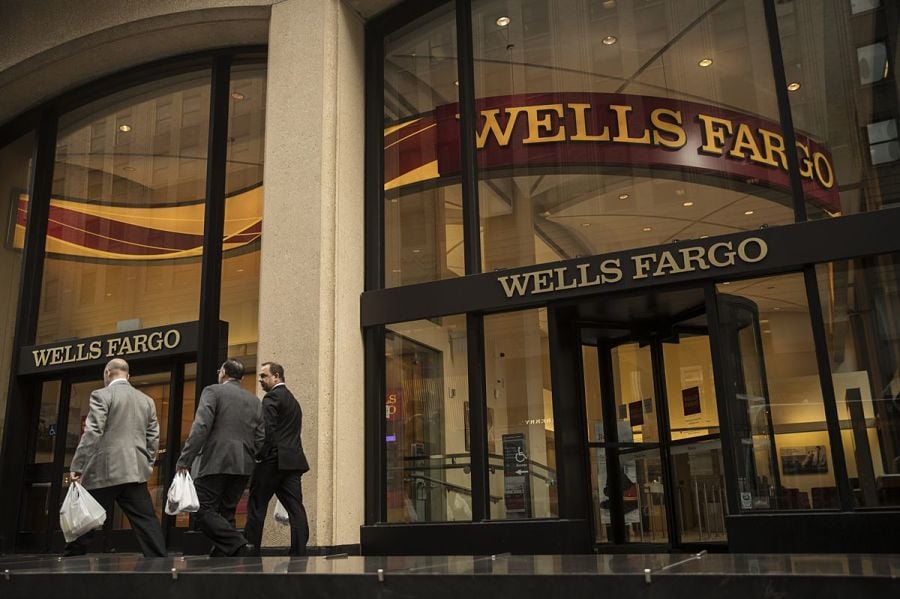
Wells Fargo & Co., which is reducing costs, told its employees Wednesday that it is revamping its benefits program, with changes that are likely to hit many of its 12,908 financial advisers in the pocketbook.
The changes, which are intended to benefit lower-paid workers, or the majority at the bank, include eliminating the matching contribution to 401(k) plans of up to 6% of salary for employees who make more than $250,000 annually.
The average wirehouse financial adviser can generate in the neighborhood of $1 million in fees and revenues and is paid about 40% of that through a pay scale known as the grid. In that instance, an adviser who earns $400,000 of income would lose his or her matching contribution from the company.
The bank, with more than 270,000 employees, reported a 56% decline in third-quarter profits last week, and its earnings of 42 cents per share missed estimates. Wells Fargo Advisors, its wealth management operation, has seen thousands of advisers flee since 2016 after the bank reported employees had secretly created millions of unauthorized accounts in the names of customers without their consent.
"This seems to indicate no retirement plan match for those earning more than $250,000," said one Wells Fargo adviser who was digesting the information. "This is a loss of thousands of dollars."
"This is continuing to kill financial adviser morale," said the adviser, who asked not to be named. "It's effectively a pay cut on top of previous cuts on our revenue. It's the bank's problems, and advisers pay for it."
The cut to retirement plans of high earners comes about a week after Wells Fargo Advisors said it was laying off a sizable group of reps and advisers as part of its efforts to reduce costs and expenses.
"We are evolving our U.S. compensation and benefits program with a greater emphasis on supporting our lower-paid employees, including through a new nondiscretionary base 401(k) Plan contribution, flat or lower health care premiums, and higher minimum hourly pay," a Wells Fargo spokesperson wrote in an email. "The overwhelming majority of employees will continue to be eligible for the 6% company matching contribution, and we will continue to offer a comprehensive benefits program for all employees."
An industry news website, AdvisorHub, first reported the changes in benefits at Wells Fargo.

Anthropic's Millennium partnership moves AI from reactive tool to proactive risk monitor — but other wealth tech leaders question its fit for RIA practices.

Milind Mehere offers perspective on why ambient AI, not smarter models, will define the next decade of wealth tech.

Kenneth Thom, 42, reinvented himself as a finfluencer known as “K Money.”

A press-freedom lawsuit filed in Manhattan challenges the president's $100,000-a-month Truth API service used by trading firms.

Research reveals six hidden costs inside "zero-fee" IRAs, with one investment mistake potentially amounting to $170,000 over a 30-year period.
Northern Trust’s Ken Lassner shows advisors how to convert volatility into after-tax portfolio gains
Dan Biagini of American Equity says the steady decline of pensions, longer lifespans and a reset in interest rates are rewriting how advisors build retirement income

