
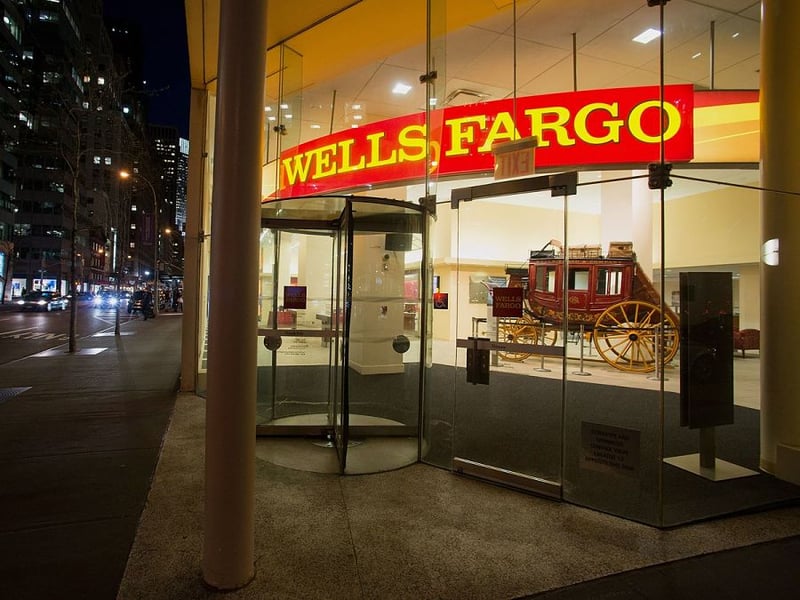
Wells Fargo is officially out from under the Federal Reserve’s last remaining consent order, closing a chapter that has shaped the bank’s strategy and balance sheet for much of the past decade.
The Fed said Thursday it has terminated its 2018 enforcement action after determining Wells Fargo met all the required conditions, including proving that overhauled governance and risk systems are effective and completing two third-party reviews of those changes.
Under the 2018 action, the Fed put a freeze on Wells Fargo’s asset growth, determining that it must undertake a top-to-bottom rebuild of its risk and oversight framework before it can be trusted to expand. At the time, the central bank said the firm had pursued growth without “appropriate management of all key risks” and lacked an effective firmwide risk-management structure to ensure serious issues reached its board.
Around a decade ago, the wirehouse captured headlines over revelations that its employees had been creating fake accounts behind consumers' backs for the better part of a decade, generating millions of unauthorized credit card and deposit accounts before the unethical sales practices were exposed.
Then-Fed chair Janet Yellen said the central bank “cannot tolerate pervasive and persistent misconduct at any bank,” adding that Wells Fargo would not be allowed to expand until it could do so “safely and with the protections needed to manage all of its risks and protect its customers.”
The Fed's decision to end the 2018 order on Thursday comes months after the regulator decided to lift the related asset cap in June, freeing the bank from a size ceiling that had been in place since year-end 2017.
Before that was the 2024 decision by the Office of the Comptroller of the Currency ending a separate consent order tied to the high-profile fake accounts scandal that for a long time made it a poster child for consumer abuse perpetrated by Wall Street institutions. At that time, chief executive Charlie Scharf said implementing a risk and control framework “is our top priority,” and called the steady closure of consent orders an “important sign of our progress.”
The bank, which now reports having about $2.1 trillion in assets, has spent years under the leadership of Scharf trying to allay concerns from regulators and investors alike that its control framework has been adequately upgraded for an institution of its size. At one point in 2021, Democratic Senator Elizabeth Warren urged the Fed to consider splitting up Wells Fargo's banking and Wall Street businesses as it faced another regulatory action.
“Every single day that Wells Fargo continues to maintain these depository accounts is a day that millions of customers remain at risk of additional negligence and willful fraud,” Warren wrote at the time. "The only way these consumers and their bank accounts can be kept safe is through another institution—one whose business model is not dependent on swindling customers for every last penny they can get. The Fed has the power to put consumers first, and it must use it."
As reported by Bloomberg Thursday, the latest move by the Fed Wells Fargo without any outstanding public consent orders for the first time in roughly 15 years. Over that time, the San Francisco-based institution had been weighed down by more than a dozen enforcement actions tied to failures in consumer protections and risk controls, many of them traced back to the fake-accounts scandal.
Wells Fargo announced the termination in a brief fanfare-free statement Thursday, saying the Fed had ended the 2018 consent order covering governance oversight, compliance and operational risk management.

Salespeople at the firm often went beyond the matching algorithm to recommend network advisors on its Zoe Wealth platform, according to the regulator.

The Protect College Sports Act would cap school payments and codify NIL rights, with implications for advisors guiding young athletes.

"I know the number that I want to be able to retire on, and now I just want out," says Wilmington Trust's Marguerite Weese, describing a common refrain among business-owner clients.

Bessemer and Brown Brothers Harriman veteran Robert Ludricks III and private markets specialist Olof Akesson join the ultra-high-net-worth push on the East Coast.

765 investors were promised 260% annual returns on truck leases
As AI makes financial information more accessible than ever, Lana Hock explains why human judgment, trust, and empathy remain the qualities clients value most in a financial advisor
Northern Trust’s Ken Lassner shows advisors how to convert volatility into after-tax portfolio gains

