
This article is one in a series of outlooks for 2022 by the InvestmentNews team.
The fight for — and over — financial advisers in 2022 will be vicious and costly.
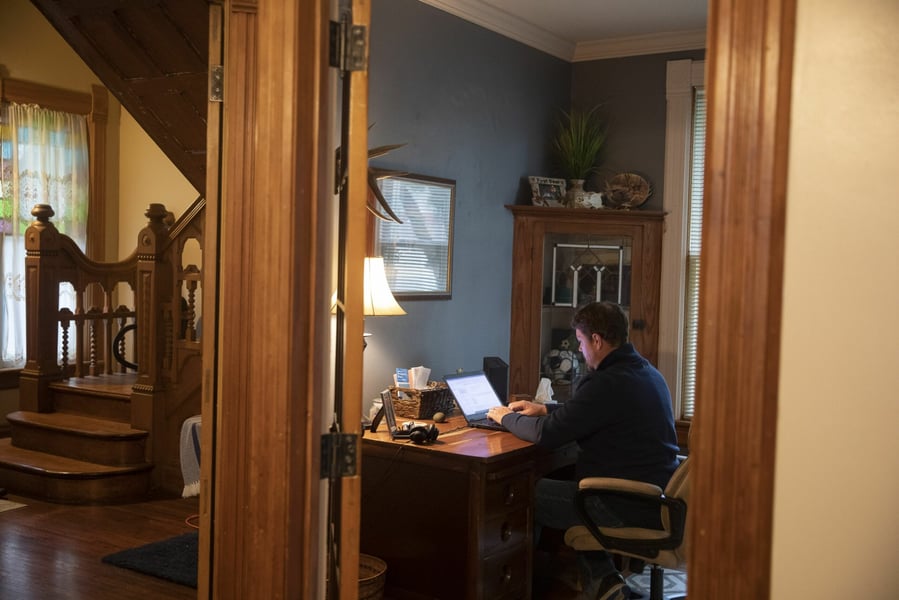
Financial advisers are going to want to continue to work from home, while many large firms will want them and their assistants back in the office. That friction will embolden many advisers to look for a new place to work.
And advisers have huge market forces for their labor and the billions of dollars of revenue they collectively generate each year in their favor.
Valuations have skyrocketed at registered investment adviser firms, recently hitting never-before-seen levels, with bankers and executives whispering that a limited number of transactions have reached valuations of 18 times to — gasp! — 20 times a firm’s annual EBITDA, a cash-flow metric that stands for earnings before interest, taxes, depreciation and amortization.
Meanwhile, broker-dealers like LPL Financial are putting their money to work when it comes to its efforts to hire employee financial advisers.
The frothy market to hire the best financial advisers comes as the ongoing Covid-19 pandemic changes the nature of work, with many financial advisers having worked from home for almost two years and not wanting to return to the office.
Even though those advisers are working from home, they are getting paid like they're still employees working in an office and earning in the neighborhood of 45 cents per dollar of revenue they generate.
Advisers who are registered with an independent broker-dealer typically pocket 80 cents per dollar of revenue. That means some employee advisers from big firms, like Merrill Lynch or Morgan Stanley, are now assessing their pay and thinking to themselves, "I'm already working from home. I can make one-third to one-half times more if I jump to an independent firm."
That means an adviser who generates $1 million in annual fees and commissions, brings over a hefty chunk of assets and keeps expenses low could see a 75% payout. And maybe the adviser's assistant can work from home, too.
Advisers like the autonomy of working from home and don’t want to go back to the office and wear a suit again. It’s all about quality of life for these advisers, many of whom are in their 50s and 60s. Because of the pandemic, those advisers have had their mindsets shifted and are considering working as an independent broker or RIA because they are already working that way.
Big firms with employee advisers will have to adjust, making it easier for advisers to be out of the office or even boosting payouts and bonuses to keep up with independent broker-dealers and RIAs.
Meanwhile, there are always winners and losers in the brokerage industry. Some large firms are likely to struggle with getting service back up to snuff for advisers in 2022 as the fight for quality employees accelerates. That will only work to get under the skin of many financial advisers, adding another factor encouraging some to move to another firm.
Buckle up for 2022.
More articles in this series:

The financial advice industry has been facing inquiries into its cash sweep programs for years now.

Investor money allegedly went to strip clubs, exotic cars, and landscaping

Procyon adds $415 million in assets under management in New Jersey while Savant picks up a $213 million Southern California planning firm

With a growing number of real estate-rich Baby Boomers aging into retirement, some advisors may be failing to consider all the options available for those clients' assets.

Cornerstone Advisors study reveals compliance bottlenecks stall campaigns weeks after customer opportunities close.
As AI makes financial information more accessible than ever, Lana Hock explains why human judgment, trust, and empathy remain the qualities clients value most in a financial advisor
Northern Trust’s Ken Lassner shows advisors how to convert volatility into after-tax portfolio gains

