
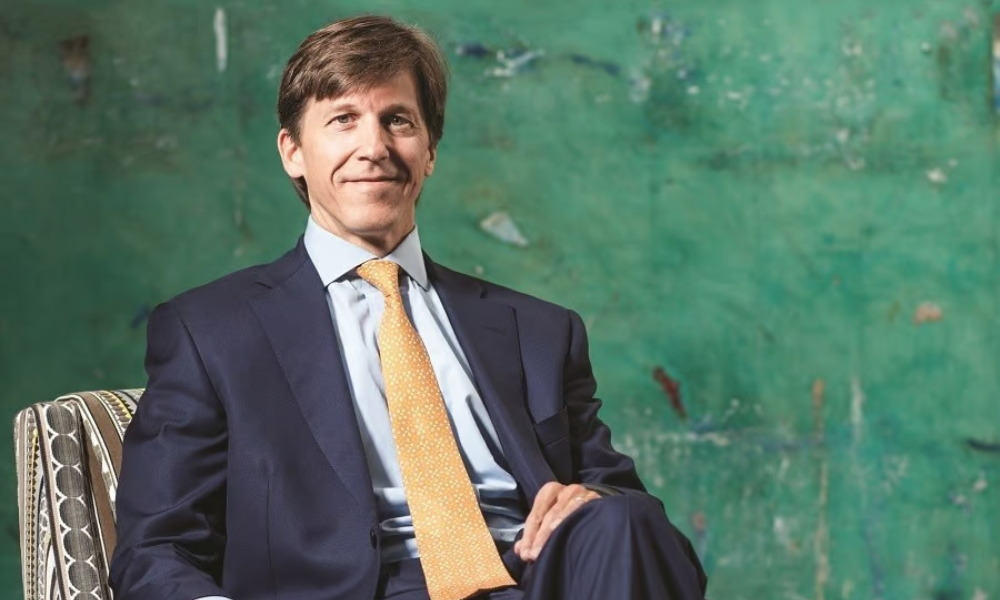
Dan Arnold was the ultimate survivor of LPL Financial’s series of executive battles of the last 20 years.
But in the end he was fired as the giant brokerage’s CEO for making statements, not yet known publicly, to employees that violated the company’s code of conduct.
It was a punishing end to Arnold, 59, who became CEO of LPL Financial Holdings Inc. at the start of 2017 and managed the firm, now with more than 22,000 financial advisors, to new heights.
With the ticker LPLA, the firm saw its stock price make a spectacular rise under Arnold, from close to $36 per share at the time he was promoted to chief executive to close to $230 on October 1, an increase of more than six times, when he was fired for cause by LPL’s board after an investigation into his conduct.
InvestmentNews on Wednesday was not able to reach Arnold to comment about his firing. He did not respond to a message on LinkedIn.
But several industry executives, who spoke to InvestmentNews confidentially because of the sensitivity of the matter, pointed to the fact that Arnold may eventually sue LPL over the matter, potentially airing more dirty laundry in public.
Arnold’s firing also raises further questions about LPL and its ability to continue making acquisitions and stave off activist shareholders like hedge funds demanding changes to its board, potentially causing volatility it its share price.
In other words, will LPL be dragged through the mud in the wake of Arnold’s firing?
A spokesperson for LPL, whose financial advisors work with clients with more than $1.5 trillion in assets, declined to comment.
“It’s not unusual for senior LPL executives to be blunt to the point of being unpleasant dealing with stress,” said one senior industry executive, who did not know the details that led to Arnold’s firing. “It’s a culture built on driving employees through anxiety and stress.”
“When any board terminates for cause, that’s the most severe route,” said another senior industry executive. “They couldn’t sweep these facts under the rug once they were exposed.”
“And there are other ways to discipline employees,” the executive added. “They can be suspended, put on performance review plans, so it’s a serious matter, although we don’t know what happened.”
Arnold, a graduate of Auburn University in 1988 with an undergraduate degree in electrical engineering and then got his master’s in business administration from Georgia State University three years later, was a president at the bank broker UVEST Financial Services when it was bought by LPL in 2007.
Known for his close attention to detail, he rose through the ranks at LPL, outlasting competition like Bill Dwyer, Esther Stearns, Derek Bruton and Robert “RJ” Moore. He was managing director and divisional president until 2011 and then promoted to chief financial officer. In 2015, he was bumped up again to president before becoming CEO in 2017 after Mark Casady retired.
After the market closed on Tuesday, LPL said it had terminated Arnold and replaced him for the time being with industry veteran Rich Steinmeier, currently the company’s managing director, chief growth officer.
Steinmeier will be interim CEO, effective immediately.
According to a statement by the company, Arnold was terminated for violating LPL’s commitment to a respectful workplace. He also resigned from the board.

The financial advice industry has been facing inquiries into its cash sweep programs for years now.

Investor money allegedly went to strip clubs, exotic cars, and landscaping

Procyon adds $415 million in assets under management in New Jersey while Savant picks up a $213 million Southern California planning firm

With a growing number of real estate-rich Baby Boomers aging into retirement, some advisors may be failing to consider all the options available for those clients' assets.

Cornerstone Advisors study reveals compliance bottlenecks stall campaigns weeks after customer opportunities close.
As AI makes financial information more accessible than ever, Lana Hock explains why human judgment, trust, and empathy remain the qualities clients value most in a financial advisor
Northern Trust’s Ken Lassner shows advisors how to convert volatility into after-tax portfolio gains

