
While the past few years have brought a trend of accelerating consolidation across the RIA space – with the most recent RIA M&A report by Devoe projecting more than 300 deals this year – at least one dealmaking expert says one of key persons are too often getting left out in the cold.
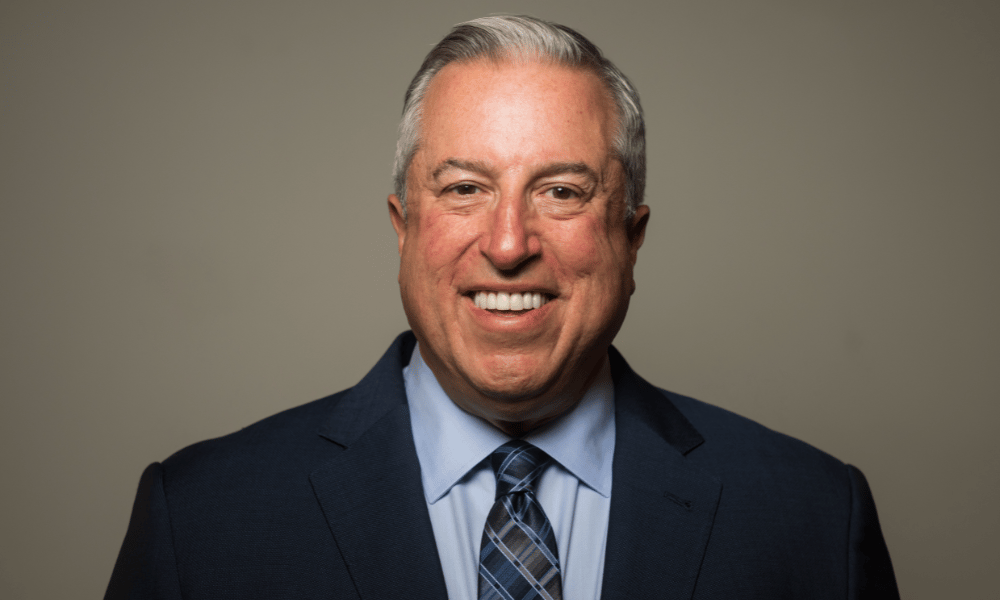
"It's been amazing to me what a poor job the RIA space has done in developing next-gen talent. And it's especially puzzling in that this is such a great business," says Corey Kupfer, who's a founder and managing partner at his namesake RIA M&A law firm.
"Firms that have next-gen talent are more valuable to most of the buyers, because they want to know that there'll be somebody that had to continue those client relationships when the founders phase out."
Private equity has come up as a major driver of RIA consolidation, with Devoe's 3Q 2025 RIA M&A report highlighting its role in many of the top transactions this year.
"Mega deals backed by private equity are raising the bar for scale, while minority transactions are back in force as firms seek capital without ceding control," the Devoe report said.
Echelon's own third-quarter RIA M&A report counted 97 deals involving a private equity firm as either a direct investor or a sponsor. Among the 114 deals inked by strategic RIA acquirers so far, it counted 75.4% involving a buyer with private equity backing.
While having next-gen talent can be a valuable hook in a PE-backed exit, Kupfer describes it as a "double-edged sword" for founders who now have to give younger advisors a reason to go along with the deal.
"Often we've got an issue because the seller hasn't done a good job of bring the advisor into the capital stack," he says. "Maybe they have a next-gen advisor or advisors with their own book of business, who have not been equitized or are under-equitized in the company. Maybe they have 5%, but they control 20% of the book."
Another sticking point comes from how the future upside of a book of business gets cut off when it's monetized. While Kupfer says most PE-backed firms would offer some rollover equity in the aggregator, giving the selling founder the chance for "a second bite of the apple" at a much higher multiple, those offers might not be as juicy for G2 advisors.
"I've been involved in rollups in other industries for 40 years. Some of them work out phenomenally, and some of them don't," he said. "There's more risk."
Compared to the typical advisor-owner in their 50s or 60s, G2 advisors in their 30s have more good innings left in them. Considering the odds of growing their practice over time and controlling their own destiny in a fully independent practice, Kupfer says persuading young rainmakers to go along with a deal can be challenging.
"You've got younger folks who are really doing well building a business and think that they have a lot of upside. Those are the tougher ones to integrate, especially because they're going to get locked into restricted covenants, non-competes, and non-solicits that's part of the PE deal," he says.
Kupfer says founders have several options to help incentivize next-gen advisors. One is to offer deferred stay bonuses, where the G2 advisor would be offered a certain amount of money to stay for a number of years after a deal, which is often tied to their retention or earn-out period.
The RIA Deal Room 2025 Report from Advisor Growth Strategies found that RIA buyers were more aggressive last year, with a significant number indicating "a willingness to pay for growth through lucrative earnouts as a win-win.
"While buyers increased valuations across the board, they also focused heavily on growth and risk alignment. On average, nearly 20% of each bnid was allocated to an earnout [which is] the most protected lever buyers can use to enhance 'headline multiples,' " the report said.
Kupfer says a number of firms also get creative with the equity classes they offer. Aside from founders' shares, some may offer G2 advisors another type of equity with vesting requirements. Phantom equity – which gives them the economic equivalent of what they would receive if the company participated in a capital transaction down the line – is another type of pull.
"The idea is that you move from saying 'You just get paid for your own production of services,' for example, to giving them a piece of the profit of the firm," Kupfer says. "It gives them an incentive to have the firm be successful and gives them a piece of that success."
One advantage of equitizing next-gen advisors versus bonusing, Kupfer says, comes down to taxes. Because bonuses don't get the preferential tax rates of potential capital gains from equity, G2 advisors might not see as much financial reward from sticking around after a deal is signed.
For RIAs on the sell side, Kupfer recommends being proactive in getting G2 advisors invested in their firm's success even before they start exploring strategic alternatives. If they don't, he says younger advisors could use it as leverage to derail negotiations, demanding extra terms that could jeopardize the chances of a deal coming together.
"It could, in theory, kill the deal. More often it just reduces the value," he says. "Obviously, if that person walks away with 20% of the business, your purchase price is going to get shaved down, [but] hopefully you're still attractive to the buyer."
While Kupfer has seen more breakaways coming out of wirehouses and broker-dealers to go into the RIA space, he also sees a rising number of G2 advisors exiting from PE-backed aggregators, where they come in only to end up not as happy as they thought they would be.
"It's still a minority, but we see more and more folks who actually go along with the deal and then later are [asking] 'How do I get out? This is not where I want to be,'" Kupfer says. "I want to be either fully independent, or I want to be in a model where I can own the growth of my book and my business as time goes on."

Nearly half of private firms forgo 401(k) plans even as new data ties them to higher stock option uptake among employees.

New research finds just 12% of wealth management firms have reached AI leader status, and it isn't spending that separates them

Affinity fraud refers to investment scams that prey upon members of identifiable groups, such as religious or ethnic communities.

Self-serve access to Strategic Advice Manager promises onboarding in days, as RIAs weigh how deep to take AI adoption.

Elios Financial Group joins Carson Wealth as the Omaha RIA adds to a record year of industry dealmaking.
Northern Trust’s Ken Lassner shows advisors how to convert volatility into after-tax portfolio gains
Dan Biagini of American Equity says the steady decline of pensions, longer lifespans and a reset in interest rates are rewriting how advisors build retirement income

