
As markets absorb the shocks of an increasingly fractured world order, ultra-high net worth families are asking not just where their money is, but what it stands for.
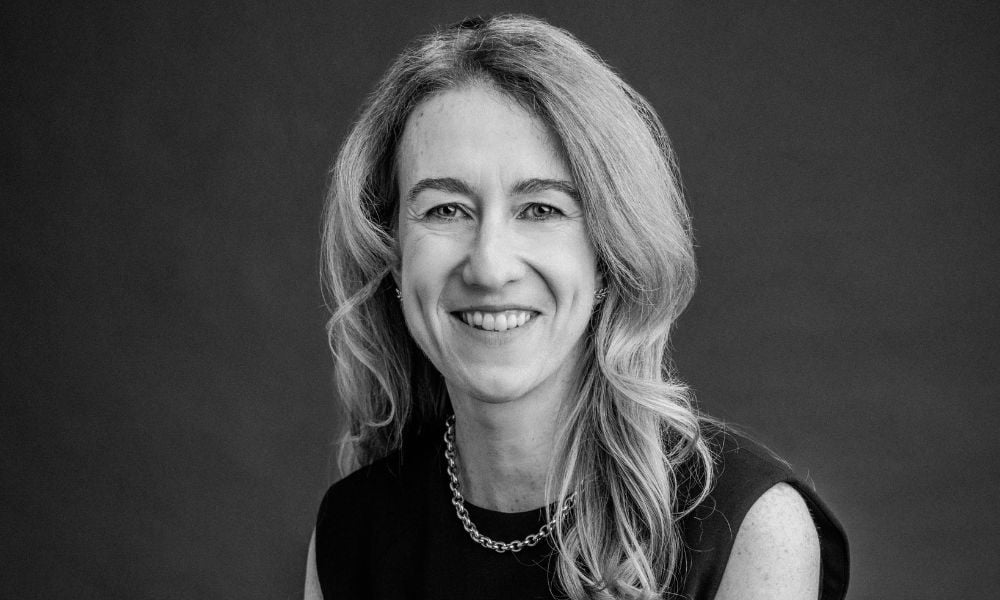
Kimberly Evans, co-head of US client advisory at AlTi Tiedemann Global, told InvestmentNews that the shift is unmistakable. The $82 billion firm, which advises some of the world's wealthiest families through its multi-family office platform, has watched geopolitical anxiety evolve into a wholesale rethinking of the relationship between capital and values.
"The heightened geopolitical tensions in the landscape are leading to focused discussions among our ultra-high net worth families not only about the composition of their investment portfolios — positioning, diversification, sources of income and growth — but also about the purpose their assets are ultimately serving," Evans says. "They want to ensure their wealth plans are reflecting their wishes regarding asset disposition, and they are thinking more about current philanthropy as well as aligning their investment assets with their values and beliefs."
For families with assets spread across borders, that conversation has moved well beyond traditional risk management. Geographic diversification has long been a cornerstone of portfolio construction at this level, Evans notes, but something has changed in how clients think about it.
"Most of our US-based clients recognize geographic diversification in their investment portfolios as a risk mitigation tool and as a way to gain differentiated opportunities for growth," she says. "However, over the last few years, some clients have expressed hesitation in investing in certain jurisdictions due to misalignment of shared values. Situations such as the war in Ukraine and reports of human rights violations in other regions have led to discussions on re-aligning portfolios."
Philanthropy, she adds, has become inseparable from those portfolio conversations. "Clients want to avoid portfolio exposure and then put their charitable dollars towards causes to incite change."
Crucially, these are rarely solo decision and Evans describes an “encouraging” generational dynamic that has quietly reshaped how family wealth is managed with older generations actively pulling younger members into discussions they might once have kept to themselves, such as those about investment portfolios and legacy planning.
"Parents want to hear what their kids have to say, often because they were not given the same opportunity by their own parents,” she says. “This movement toward more open communication leads to collaboration. In many cases, parents recognize that their kids will ultimately be making choices when they are not around, so they want to get them started on making decisions and choices with their guidance while they are here."
That process is not without friction. Younger family members often hold different views on which industries or geographies belong in a portfolio, and Evans has had to develop a methodology for navigating those tensions without allowing them to fracture family cohesion.
"As an advisor, I encourage families to talk about the 'why',” Evans says. “What are the reasons behind the desire to eliminate certain industries or geographies from the portfolio? These meaningful discussions about perspective often lead to compromise and shared learning. I work with a number of families where I have seen parents ultimately gain trust in their adult children's views and defer to them."
The questions that guide those conversations, she says, are deliberately practical such as “Do we want total elimination or just reduction of certain themes? Are there new areas of investment we want to explore?”
“As an advisor, the next step is showing the effects of these potential changes within the context of the return and risk goals of the portfolio,” she says. “Are we going to materially increase tracking error? Can we size new investments so that all family members feel comfortable? What are the potential consequences to long-term returns? Once we dig into the numbers, I find that families can get onto the same page pretty quickly once they see the whole picture."
When conflicts arise specifically over investments tied to sensitive regions or industries, Evans returns to anchoring the conversation in data and long-term purpose rather than emotional reaction.
"Defining purpose across family portfolios helps everyone focus on the long-term 'why'," she says. "If all decisions are seen in the broader context of what the family is ultimately looking to achieve, it makes shorter-term decisions or potential market-timing decisions much less relevant. When a family names that the ultimate purpose for their wealth includes, for example, prioritizing long-standing family unity, education of future generations and ensuring financial security, the discussion becomes more about long-term trends as opposed to short-term market forces."
The broader argument for purpose-driven investing, Evans contends, is also supported by the evidence on market timing. "Data supports how difficult it is to try to time portfolio decisions around exogenous events such as COVID, the war in Ukraine or Liberation Day. Purpose-driven discussions encourage families to stay invested over the long-term which is one of the most important factors in compounding investment returns over time."
For advisors looking to build this kind of practice, Evans has clear guidance on where to start — and where most fall short.
"Advisors need to encourage and facilitate candid conversations, ideally in-person, with family members across generations,” she says. “Start with long-term, big-picture goals that everyone can agree on. Ask family members to talk about how they came to their beliefs and what changes they want to consider across portfolios. Then help them understand how these changes will affect the long-term goals of the portfolios."
She also advocates for bringing younger advisors into the room. "I have found that bringing in more junior members of my team into the conversation to help facilitate family conversations can be really impactful. Younger generation clients want to talk to people their own age who have had similar experiences and can effectively explain some of the financial nuances."
For families with significant wealth, there is sometimes a structural option available — dividing pools of assets to allow individual family members to express their own values within their portion of the portfolio. But Evans says the demand she sees most often is for something harder to engineer than asset allocation.
"We have found that many families want to have these discussions together and ultimately remain aligned."
Looking forward, Evans expects values-based and purpose-driven investing to become a defining feature of wealth management for internationally connected families — and to fundamentally reshape what clients expect from the advisors who serve them.
"We have seen a marked increase in the desire of families to bring purpose front-and-center in conversations around long-term wealth planning, and I expect that trend to continue," she says. "The set of investment opportunities also continues to increase to better allow families to align their capital with their values. I see the role of an experienced advisor becoming even more critical to these families to facilitate the 'why?' conversations and to help them understand their decisions in the context of the increasingly complex investment opportunities. So advisors will be required to have both EQ and IQ in spades."

New F2 Strategy research finds more firms growing without M&A, yet one-third still lack a defined growth process.

Shadow AI, weak oversight, and no formal policy highlight why advisory firms are more exposed to cyber risk than they realize.

Meanwhile, DPL Financial Partners adds two annuity executives and Prime Capital Financial hires a Mid-Atlantic retirement plan consultant.

Andrew Komarow pleaded guilty Thursday in federal court in Hartford to defrauding three financial services companies of close to $3.3 million.

Elsewhere, Cetera picks up a $210 million Connecticut team from MML, while Wells Fargo FiNet adds a San Diego family practice from LPL.
Knighthead Life entered the market with a competitive MYGA. A strong launch earned advisor confidence and paved the way for FIAs.
As AI makes financial information more accessible than ever, Lana Hock explains why human judgment, trust, and empathy remain the qualities clients value most in a financial advisor

