

Revenue was manufactured. The stock collapsed 97%. Now the guilty pleas are in.

The firm says he accessed hundreds of profiles after hours — then started calling

Barclays issued unregistered notes for two years. Investors still lost in court

A federal judge in February made the recommendation to deny Stifel’s motion to vacate.

Alleged bogus collateral, an anonymous tip, and a $609M debt no one could pay.

Ally Invest marketed its robo-advisor accounts as a no-fee offering, but relied on a 30% cash allocation on client portfolios to generate revenue for its bank and broker-dealer affiliates for nearly six years, according to the SEC.

Two trusts claim the same brokerage account — and an advisor lands in the crossfire

A $4 IPO stock hit $31 before crashing 80% — and regulators are watching.

Regulator says Avinesh Shankar used electronic signature software to submit 115 annuity applications tied to 64 customers.

New IRS data hold lessons for proposals to tax the wealthy in California, New York and other Blue states.

Roger Roemmich worked at Dempsey Lord Smith from 2016 to 2020, moved to Alexander Capital, and then resigned last year.
FINRA enforcement actions spiked in the years after the 2008 credit crisis but have fallen steadily over the past decade.

Joint SEC–CFTC move clarifies treatment of digital commodities, collectibles, tools, stablecoins and tokenized securities.

State filing outlines 20 misdemeanor counts tied to alleged illegal betting markets.
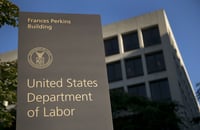
Ruling vacates Labor Department’s 2024 fiduciary package and related exemptions, keeping existing Reg BI and state best-interest standards in place.

Democrats are asking whether the Attorney General properly recused herself from cases involving clients of her brother, Brad Bondi.
Planning organizations including CFP Board and the FPA support updating the SEC’s small-entity yardstick while pressing for an employee-based standard.

Over 85 million pledged shares allegedly sold through an unauthorized account at the bank

Judge Margaret “Meg” Ryan has been acting head of the SEC’s enforcement division since Sept. 2, 2025.

“The definition is so out of date,” SEC Commissioner Hester Peirce told InvestmentNews.
