
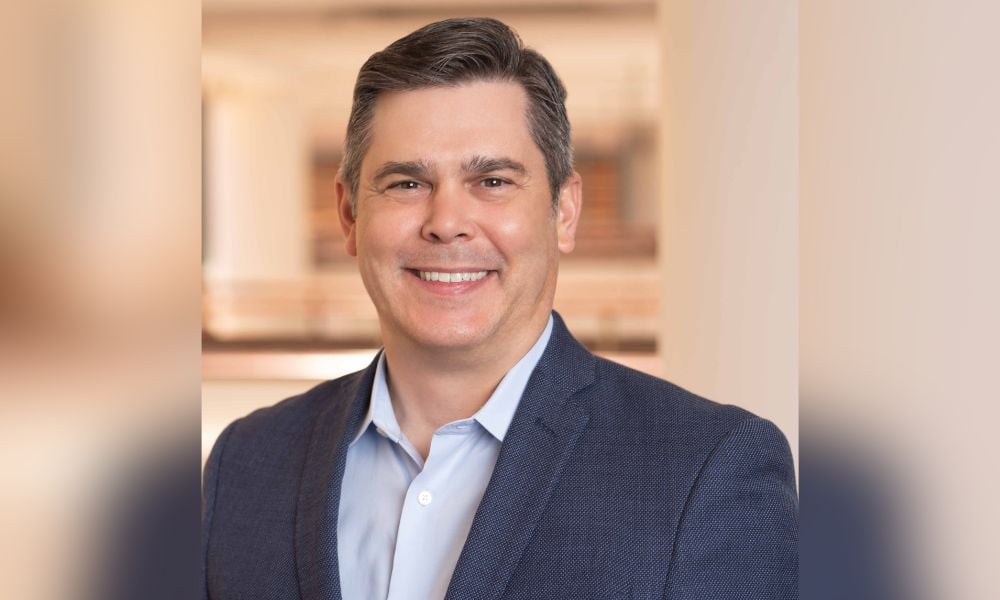
The booming M&A market for RIAs has led many firms to embrace investments from private equity, but EP Wealth Advisors’ CEO Ryan Parker acknowledges the potential downside the wealth management industry faces under new private equity-backed ownership structures.
“In the industry, it is a bit of a mixed bag,” Parker told Investment News. “Sometimes their [private equity’s] time horizons are shorter than maybe the management team's time horizons, so those things can come into conflict.”
EP Wealth Advisors acquired the San Francisco-based $660M AUM Peninsula Wealth earlier this week, marking EP’s third RIA addition of 2025 after its earlier deals for Executive Wealth Management and Holben Group. The Torrance, Calif.-based EP Wealth ranks 11th on Barron’s 2024 list of the top 100 RIA firms. EP's ownership includes minority stakes held by private equity firms Berkshire Partners and Wealth Partners Capital Group (WPCG).
“I think so long as people continue to be disciplined and they watch their balance sheet health, and they watch how quickly they're consuming capital, that in the end private equity does allow us to grow and expand and take more share for the fiduciary part of the market, which I think ultimately is a good thing,” Parker said. “I see private equity overall as a relatively benign actor in the space.”
WPCG originally bought a minority stake in EP Wealth in 2017, and then sold most of its stake to the Boston-based Berkshire Partners. The PE firms have fueled EP’s growth through M&A while they maintain non-controlling ownership stakes, which Parker describes as a “best of both worlds” ownership scenario for his RIA that manages $31 billion in client assets. Private equity firms made 50 direct investments into RIAs in 2024, a 66 percent increase from 2023, according to a report from Echelon Partners.
“We've always had minority, non-voting, non-controlling outside investors. And we think that the non-controlling part is really important,” Parker said. “We get access to the capital that we need to continue to grow in a healthy way, but we maintain control and are able to have a long-term view on what the business can grow into.
“We've seen [private equity] really as a positive driver of both access to capital, but also access to resources and intellectual capital that we just wouldn't otherwise have.”
Derek Holman and Brian Parker, who co-founded EP Wealth in 1999, remain as advisors on the operating committee at the company. In an interview on Wednesday, just before US stocks declined following President Donald Trump’s newly announced tariff plan, Ryan Parker explained that EP Wealth’s M&A approach was not yet impacted by market conditions.
“We have a very robust pipeline of new partners that are planning to join us over the next several months,” Parker said. “Certainly, if we got into a recession or if you had some real geopolitical crisis, that could impact the pace at which M&A partnerships would take place. But thus far, we haven't seen anything in our conversations with potential partners that would tell us that we would see a slowdown here in 2025.”

Bessemer and Brown Brothers Harriman veteran Robert Ludricks III and private markets specialist Olof Akesson join the ultra-high-net-worth push on the East Coast.

Senate Democrats seek data on data center deductions under the 2025 tax law as proposals to tax artificial intelligence multiply.

Geopolitical shocks and market volatility pushed advisor deal decisions off course, denting third-quarter transaction volume by 19 percent.

Hendershott Wealth Management's Hilary Hendershott on turning a niche for women into an operating strategy, not a marketing pitch.

Iowa's Greenwood Wealth Partners exits D.M. Kelly as UBS and Ameriprise win Merrill Lynch recruits in California and Florida
As AI makes financial information more accessible than ever, Lana Hock explains why human judgment, trust, and empathy remain the qualities clients value most in a financial advisor
Northern Trust’s Ken Lassner shows advisors how to convert volatility into after-tax portfolio gains

