
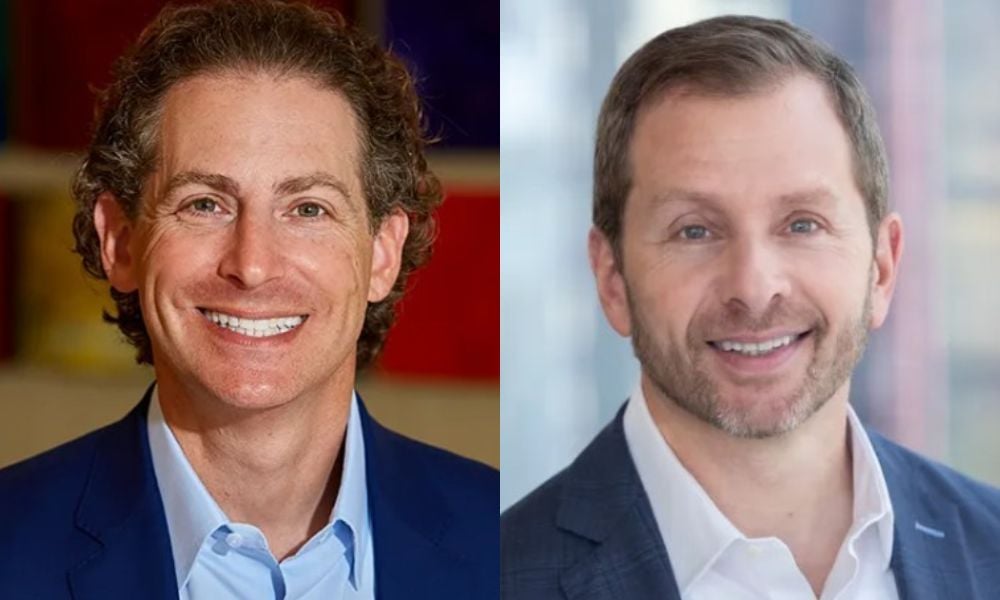
As Focus Financial Partners implements its third CEO in three years, the RIA aggregator’s “succession plan” is being questioned by some industry sources due to its abrupt timeline.
On the afternoon of Friday, Dec. 12, Focus announced that Michael Nathanson, 58, will be leaving his role as CEO to become chairman effective Feb 1, 2026, with current 47-year-old president Adam Birenbaum named incoming CEO. The change marks a “succession plan designed by Mr. Nathanson in consultation with the Board as part of the company’s long-term growth and leadership strategy,” according to the press release from Focus, whose affiliates oversee a combined $520 billion in client assets.
“When you have a succession plan, if there's an orderly transition intended then usually there's a communication plan around that out to stakeholders, and it's not as sudden. It's going to say, six months from now, whatever it is,” said RIA industry lawyer Corey Kupfer. “The fact that it was executed now makes me believe something must have happened.”
Nathanson became CEO of Focus in April 2024, replacing interim CEO Dan Glaser. Glaser is an operating partner at Clayton, Dubilier & Rice (CD&R), which acquired Focus Financial in 2023 and saw founding chief executive Rudy Adolf depart Focus that same year.
"At this time, we are focusing our efforts on implementing this transition, including communicating with our many team members and other stakeholders," a PR spokesperson for Focus Financial wrote to InvestmentNews on Monday.
Nathanson previously was CEO of The Colony Group, an RIA acquired by Focus in 2012 that merged in 2024 with Buckingham Wealth Partners, a Focus affiliate led by Birenbaum. Both of those firms were rebranded under the Focus Partners Wealth consolidation announced earlier this year.
Louis Diamond, CEO of advisor recruiting firm Diamond Consultants, called Focus’s latest CEO switch a “huge surprise” while also sharing the industry’s high regard for Birenbaum.
“It seemed like having Michael Nathanson become CEO of Focus was a genius move. He was the poster child for Focus. He did one of their first deals, he was the exact success story of showing up with Focus with like a billion, do a bunch of M&A deals, build an insanely valuable enterprise, and then be at the helm for the next phase of growth,” said Diamond. “Seeing this was definitely a big surprise because he hasn't been in the seat for that long.”
Kupfer adds that on the surface, it seemed Nathanson was executing the normal expectations private equity owners have for mega-RIAs they buy into. “They've been consolidating, they were creating these hubs,” Kupfer said. “Everything that we've talked about in other transitions that PE wants firms to be doing, under Nathanson it seemed like Focus was on that path.”
Fellow private equity-backed mega-RIAs Hightower Advisors and Edelman Financial Engines both announced CEO changes in 2025.
“Unlike the Edelman situation where there was this view that the market came back and said, from what we understand, that the organic growth rates need to be kicked up, I don't see any particular thing here that wasn't moving in the right direction in terms of what PE would want with Focus Financial,” added Kupfer. “I think this is exactly the direction that CD&R has wanted Focus to move, and they moved that way under Nathanson.”

Nearly half of private firms forgo 401(k) plans even as new data ties them to higher stock option uptake among employees.

New research finds just 12% of wealth management firms have reached AI leader status, and it isn't spending that separates them

Affinity fraud refers to investment scams that prey upon members of identifiable groups, such as religious or ethnic communities.

Self-serve access to Strategic Advice Manager promises onboarding in days, as RIAs weigh how deep to take AI adoption.

Elios Financial Group joins Carson Wealth as the Omaha RIA adds to a record year of industry dealmaking.
Northern Trust’s Ken Lassner shows advisors how to convert volatility into after-tax portfolio gains
Dan Biagini of American Equity says the steady decline of pensions, longer lifespans and a reset in interest rates are rewriting how advisors build retirement income

